
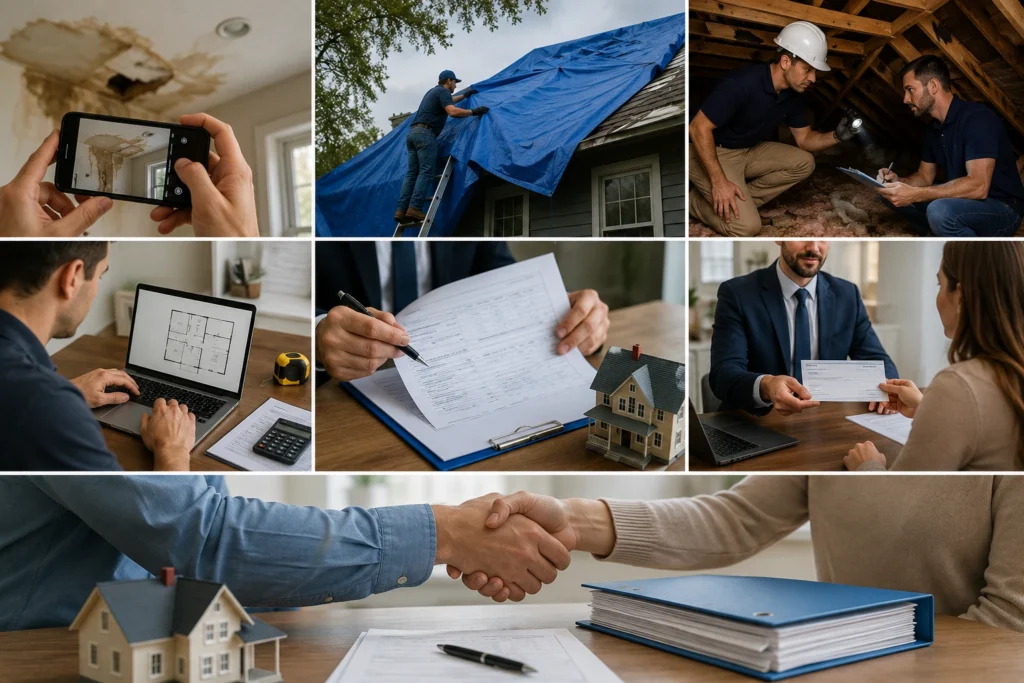
Property damage is stressful enough without worrying whether your insurance settlement truly reflects what it will take to recover. That is exactly why a public adjuster changes the outcome for many homeowners and business owners. While insurance companies investigate claims every day, policyholders usually file only one or two claims in their lifetime. That experience gap can influence everything from documentation to negotiations. If your property in Mansfield suffers serious damage, understanding how the claims process works can make a significant difference before you accept the first settlement offer.
A damaged roof, flooded living room, fire-damaged kitchen, or commercial property loss rarely involves a simple repair estimate. Every claim contains dozens of moving parts, from policy language and depreciation to contractor estimates, hidden damage, deadlines, and supporting documentation. Missing just one important detail may reduce the amount ultimately paid under your policy. Many property owners assume their insurance company will automatically identify every covered loss. While insurers certainly investigate claims, the final outcome often depends on the information presented during the adjustment process. In many situations, additional inspections, more detailed documentation, or further clarification of policy provisions can substantially affect the final settlement.
That is where public adjusters become valuable. Rather than working for the insurance company, they work exclusively for the policyholder. Their responsibility is to organize evidence, prepare the claim thoroughly, document all covered damage, and negotiate based on the facts rather than assumptions. Throughout this guide, we’ll explore why a public adjuster changes the outcome, how insurance claims are evaluated, where settlements commonly fall short, and what steps property owners can take to protect their financial interests after a covered loss.
Understanding the Insurance Claims Process
Insurance claims often appear straightforward from the outside. Damage occurs, the insurer sends an adjuster, repairs begin, and life returns to normal. In reality, the process is much more detailed, especially when significant property damage is involved. Every claim begins with a reported loss. After the insurance company receives notice, it assigns an adjuster to investigate the damage. Depending on the size and complexity of the claim, inspections may occur within days or take considerably longer if widespread disasters affect the region.
The adjuster documents visible damage through photographs, measurements, interviews, and inspection notes. They may also request repair estimates, invoices, maintenance records, engineering reports, or additional documentation before determining what portions of the loss are covered under the policy. Once sufficient information is gathered, the insurer prepares an estimate outlining repair costs, depreciation, deductibles, policy limits, and any applicable exclusions. This estimate becomes the basis for the settlement offer presented to the policyholder.
Although this process sounds systematic, every step involves judgment calls. Repair methods, material pricing, labor costs, replacement standards, code upgrades, and damage scope all influence the final number. Small differences at each stage can add up to thousands or even tens of thousands of dollars. For property owners unfamiliar with insurance terminology, reviewing a lengthy estimate can feel overwhelming. Technical descriptions, abbreviations, pricing software, and policy language are not always easy to interpret without experience. That complexity explains why preparation matters just as much as the damage itself. The stronger the documentation, the clearer the evidence, and the more complete the claim presentation, the greater the opportunity for a settlement that accurately reflects covered losses.
What Happens After Property Damage?
After experiencing property damage, many people focus understandably on cleanup and emergency repairs. However, the actions taken during the first several days often shape the insurance claim. Most claims follow a sequence similar to this:
| Step | What Happens |
| Report the claim | Notify the insurance company of the loss. |
| Emergency mitigation | Prevent additional damage through temporary protective measures. |
| Property inspection | Damage is inspected and documented. |
| Estimate preparation | Repair costs are calculated. |
| Policy review | Coverage provisions are evaluated. |
| Settlement offer | The insurer presents payment based on its findings. |
| Negotiation if necessary | Additional documentation may support revisions. |
Each stage depends on accurate information. If damage is overlooked early, it may become more difficult to include later unless sufficient evidence supports reopening or supplementing the claim.
Why Insurance Policies Are More Complicated Than They Appear
Many property owners discover after filing a claim that insurance policies contain far more detail than expected. Policies define not only what is covered but also how losses are valued, when repairs must occur, which documentation is required, and how disputes may be resolved. Even policies that appear similar can contain important differences through endorsements, exclusions, deductibles, and coverage extensions.
For example, replacement cost coverage differs significantly from actual cash value coverage. Additional living expenses may have separate limitations. Water damage may be covered in one situation but excluded in another depending on the cause of loss. These distinctions matter because claim payments depend on policy language as much as physical damage. Carefully understanding policy provisions allows every covered component of the loss to be properly evaluated instead of relying solely on broad assumptions about what insurance “should” cover.
Who Actually Works for You?
One of the biggest misunderstandings surrounding insurance claims involves the different types of adjusters involved during the process. Many people hear the word “adjuster” and assume every adjuster performs the same role. In reality, their responsibilities differ significantly depending on who employs them. Understanding these differences helps explain why a public adjuster changes the outcome in many property damage claims.
The Insurance Company’s Adjuster
Insurance company adjusters investigate losses on behalf of the insurance carrier.
Their responsibilities typically include:
- Inspecting reported damage
- Reviewing policy provisions
- Preparing repair estimates
- Determining covered losses
- Explaining portions of the claim process
- Issuing recommendations based on company guidelines
Insurance adjusters perform an important function within the claims process. Their role is to evaluate claims according to policy terms and company procedures while gathering the information needed for settlement decisions.
Most manage numerous claims simultaneously, particularly following widespread storms, hurricanes, or severe weather events. Because their workload can be substantial, inspections are often completed under tight schedules. While many claims proceed smoothly, complex losses sometimes require additional investigation or supplemental documentation before every damaged component is fully identified.
The Public Adjuster
A public adjuster serves a completely different role. Instead of representing the insurance company, the public adjuster represents the policyholder throughout the claims process.
Their work often includes:
- Reviewing insurance policies
- Inspecting every damaged area
- Preparing comprehensive damage documentation
- Organizing supporting evidence
- Developing detailed repair estimates
- Coordinating expert reports when needed
- Negotiating directly with the insurer
Rather than simply reviewing an existing claim, public adjusters help build the claim from the ground up using documentation, measurements, photographs, contractor information, and policy analysis. Their objective is to ensure covered damages are thoroughly documented and accurately presented during negotiations.
Side-by-Side Comparison
| Insurance Company Adjuster | Public Adjuster |
| Represents the insurance company | Represents the policyholder |
| Reviews reported damages | Documents all covered damages |
| Evaluates the submitted claim | Helps prepare the claim |
| Works within insurer procedures | Advocates for the policyholder |
| Often manages many active files | Focuses on the client’s specific loss |
| Determines payment recommendations | Negotiates using supporting evidence |
Neither role is inherently adversarial. Instead, both operate from different responsibilities within the same claims process. Understanding that distinction helps policyholders make informed decisions about the assistance they may need after significant property damage.
Why Initial Insurance Offers May Not Reflect the Full Loss
Receiving an insurance estimate often brings relief. After days or weeks of uncertainty, there is finally a number attached to the claim. However, that first estimate is not always the final word.
Insurance claims continue to evolve as additional information becomes available. Contractors may uncover hidden damage during demolition. Engineers may identify structural concerns not visible during the initial inspection. Moisture testing may reveal water intrusion behind walls that appeared unaffected. This explains why a public adjuster changes the outcome in many cases. The difference frequently comes down to identifying and documenting information that was not fully developed during the initial evaluation.
Hidden Damage Is Often the Most Expensive Damage
Not every problem announces itself immediately. Water can travel behind drywall, beneath flooring, inside insulation, and throughout structural framing before becoming visible. Smoke particles can migrate through HVAC systems into areas untouched by flames. Roof damage may compromise waterproofing layers long before leaks appear indoors.
Some commonly overlooked issues include:
- Moisture trapped behind walls
- Wet insulation
- Structural movement
- Smoke contamination
- Electrical system damage
- HVAC contamination
- Damaged subflooring
- Roofing underlayment failures
If these conditions remain undocumented, repair costs may increase later while becoming more difficult to connect directly to the original claim.
Documentation Can Be the Difference Between a Good Settlement and a Great One
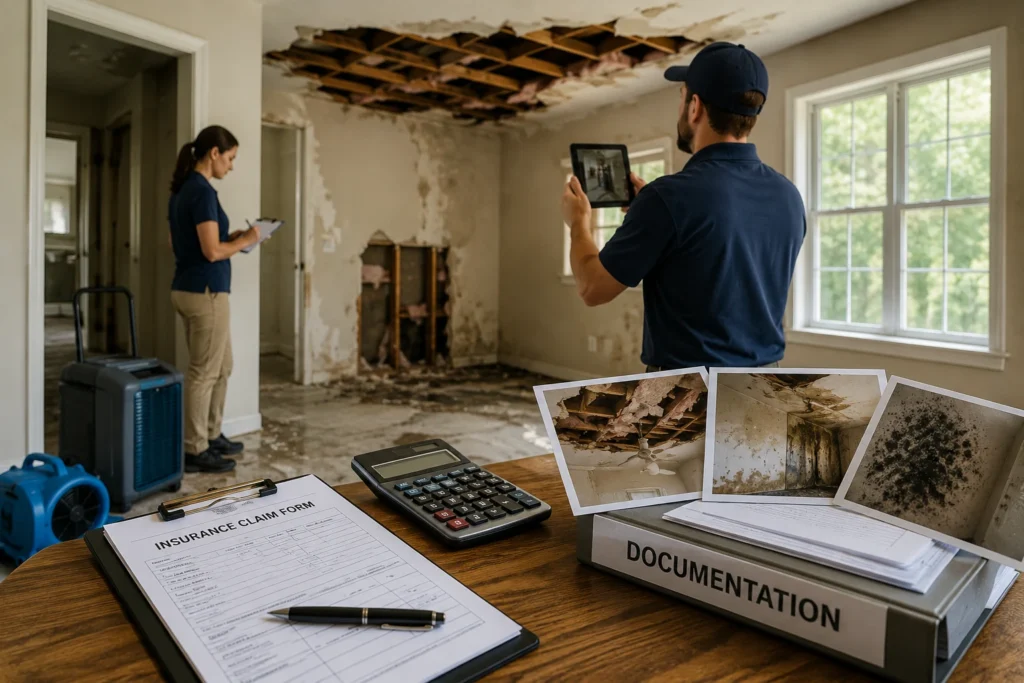
Insurance claims rely on evidence. Photographs matter. Measurements matter. Repair estimates matter. Professional inspections matter. The more thoroughly damage is documented, the easier it becomes to demonstrate the true scope of covered losses.
Strong claim documentation often includes:
- Hundreds of detailed photographs
- Room-by-room damage inventories
- Moisture readings
- Contractor estimates
- Material pricing
- Personal property inventories
- Engineering evaluations when necessary
- Repair recommendations supported by industry standards
Each piece contributes to a more complete understanding of the property’s condition. Rather than relying on assumptions, comprehensive documentation creates an objective record that supports informed settlement discussions. That careful preparation is one of the clearest examples of why a public adjuster changes the outcome, especially when hidden damage or complex repairs are involved.
How a Public Adjuster Changes the Outcome
Every insurance claim tells a story. The question is whether that story is complete enough to justify the settlement being offered. A public adjuster works to ensure nothing important is left out, overlooked, or underestimated. That careful approach is one of the biggest reasons why a public adjuster changes the outcome for many policyholders facing significant property damage.
Instead of focusing only on visible repairs, a public adjuster evaluates the claim from multiple angles. They review the policy, inspect the property thoroughly, compare estimates, gather supporting documentation, and prepare a claim package that reflects the full extent of covered losses. The result is a stronger, more organized presentation backed by evidence rather than assumptions.
They Read the Insurance Policy Thoroughly
Insurance policies are legal contracts, and every sentence can influence a claim. While many people only look at the declarations page or deductible amount, a public adjuster studies the entire policy to understand how coverage applies to the loss.
This includes reviewing:
- Coverage limits
- Endorsements
- Exclusions
- Replacement cost provisions
- Actual cash value clauses
- Additional living expense coverage
- Debris removal benefits
- Ordinance or law coverage
- Other policy-specific provisions
A careful policy review helps identify benefits that may otherwise receive little attention during the claims process.
They Build a Claim Instead of Simply Reviewing One
One of the most valuable services a public adjuster provides is creating a complete claim file. That means documenting every damaged area, collecting repair estimates, organizing photographs, preparing inventories, and presenting supporting evidence in a logical format. A well-prepared claim is often easier for everyone involved to evaluate because the documentation clearly explains both the damage and the cost to restore the property. This preparation also reduces confusion later in the process if additional questions arise.
They Identify Damage That May Not Be Immediately Visible
Some property damage is obvious. Collapsed ceilings. Broken windows. Burned framing. Other damage requires closer inspection. Water may migrate behind walls or beneath flooring. Smoke residue can spread throughout ventilation systems. Roofing materials may appear intact while hidden components underneath have been compromised.
A detailed inspection often includes:
| Area | Possible Hidden Damage |
| Roof | Damaged underlayment, flashing failures |
| Walls | Moisture intrusion, insulation damage |
| Flooring | Wet subfloor, warped framing |
| HVAC | Smoke contamination, debris |
| Electrical | Moisture exposure, damaged wiring |
| Cabinets | Swelling, hidden water damage |
| Attics | Mold growth, structural moisture |
Finding these issues early allows them to be properly documented before repairs begin.
They Handle the Ongoing Communication
Insurance claims involve far more communication than many people expect. Emails. Phone calls. Inspection scheduling. Requests for additional information. Repair estimates. Invoices. Status updates. Supplemental documentation. Managing all of this while coordinating repairs and maintaining daily responsibilities can become overwhelming.
A public adjuster helps organize those communications, ensuring requests are answered promptly and documentation is submitted in an orderly manner. That level of organization often keeps the claim moving forward more efficiently.
They Negotiate Using Facts Rather Than Opinions
Negotiation is one of the most misunderstood aspects of an insurance claim. Successful negotiations are rarely based on emotion. Instead, they rely on documentation, measurements, contractor estimates, pricing databases, photographs, engineering reports, and policy language.
When new evidence supports additional covered damage, the claim may be adjusted accordingly. Every revision should be backed by objective information rather than speculation. That evidence-based approach illustrates why a public adjuster changes the outcome. Strong documentation often leads to more informed discussions about the true scope of the loss.
They Help Organize Complex Water Damage Claims
Water losses can become especially complicated because damage often extends beyond what is visible during the first inspection. Flooring, insulation, cabinetry, drywall, and structural framing may all require careful evaluation before repair decisions are made. In these situations, a Public Water Claim Adjuster can help organize documentation, review repair estimates, and ensure that the claim reflects the full extent of covered water-related damage supported by the policy.
They Keep the Entire Claim Organized
Large insurance claims generate an enormous amount of paperwork.
It is not unusual for a single claim file to include:
- Hundreds of photographs
- Contractor proposals
- Material invoices
- Engineering reports
- Moisture maps
- Personal property inventories
- Repair estimates
- Insurance correspondence
- Inspection reports
Keeping every document organized allows important information to be located quickly whenever additional review becomes necessary.
They Help Reduce Costly Mistakes
Many claim delays occur because simple details were missed.
Examples include:
- Missing receipts
- Incomplete inventories
- Insufficient photographs
- Missed deadlines
- Incorrect measurements
- Overlooked damaged materials
Preventing these issues early often saves considerable time later. Rather than scrambling to locate documents months after the loss, everything remains organized from the beginning.
Common Claims Where Public Adjusters Add Significant Value
Although every insurance claim is unique, some losses are naturally more complicated than others. Multiple building systems, hidden damage, specialized repairs, or extensive documentation can all increase the complexity of a claim. Below are several situations where experienced claim preparation often provides significant value.
Fire Damage Claims
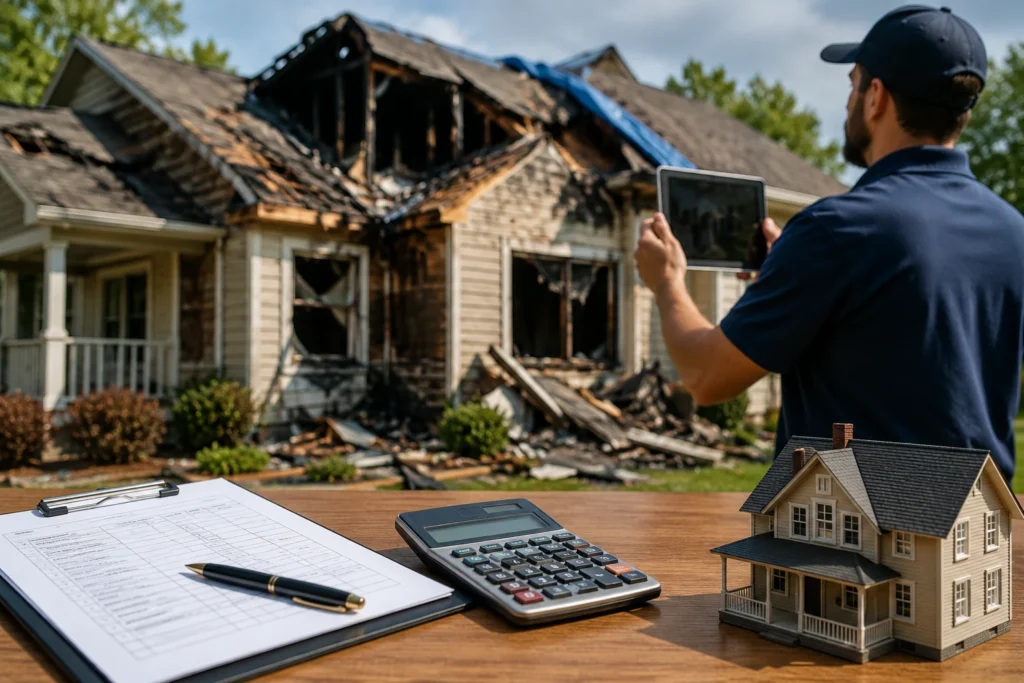
Fire damage extends far beyond burned materials. Heat, smoke, soot, water used during firefighting, and odor contamination can affect nearly every part of the structure. Cabinets, insulation, electrical wiring, HVAC systems, flooring, roofing, framing, windows, and personal belongings may all require evaluation before repairs begin. A complete assessment helps ensure each affected area is properly documented.
Water Damage Claims
Water damage continues spreading long after the initial leak stops. Moisture trapped inside building materials can create additional problems if not identified quickly.
Common areas requiring careful inspection include:
- Baseboards
- Drywall
- Flooring
- Cabinets
- Crawl spaces
- Attics
- Insulation
- Structural framing
Professional moisture testing often identifies affected areas invisible to the naked eye.
Storm Damage Claims
Strong storms frequently damage multiple parts of a property simultaneously.
A single weather event may involve:
- Roofing
- Gutters
- Windows
- Siding
- Fencing
- Outdoor structures
- Interior water intrusion
- Landscaping
Each damaged component should be documented separately to support the overall claim.
Hail Damage
Hail damage is sometimes subtle. Granule loss on roofing materials, bruised shingles, dented flashing, damaged gutters, cracked skylights, and compromised ventilation components may all require close inspection following severe weather. Photographs and measurements become especially important when documenting hail-related losses.
Wind Damage
High winds may loosen roofing materials without immediately causing interior leaks. If repairs are delayed, later water intrusion can complicate both restoration work and claim documentation. Careful inspection shortly after the event helps establish the relationship between the storm and resulting property damage.
Commercial Property Claims
Commercial losses often involve significantly higher financial stakes.
Repairs may affect:
- Office operations
- Manufacturing
- Warehousing
- Retail businesses
- Rental properties
- Professional services
Because downtime directly impacts revenue, detailed documentation becomes even more important.
Business Interruption Claims
Physical property damage is only part of the financial picture. Some commercial insurance policies also include business interruption coverage that may help address certain income losses and continuing operating expenses during covered periods of restoration. Preparing these claims often requires organized financial documentation alongside the physical damage assessment.
When Should You Hire a Public Adjuster?
Many property owners wonder whether they should wait until problems develop before seeking assistance. In reality, timing often matters. The earlier documentation begins, the easier it becomes to preserve evidence while conditions remain unchanged.
Situations where professional representation may be especially beneficial include:
- Major fire losses
- Extensive water damage
- Severe storm damage
- Commercial property claims
- Multiple damaged rooms
- Partial claim denials
- Settlement disputes
- Complex repair estimates
- Large personal property inventories
Property owners throughout Mansfield often discover that early claim preparation creates a stronger foundation for every discussion that follows with the insurance company. Rather than reacting to issues after they arise, proactive documentation allows the claim to develop in a more organized and comprehensive manner.
Common Misconceptions About Public Adjusters
Insurance claims are unfamiliar territory for most people. As a result, misconceptions about public adjusters are common. Some property owners assume they are only necessary for massive commercial losses, while others believe hiring one creates unnecessary conflict with the insurance company. In reality, their role is much more straightforward: they help the policyholder prepare, document, and negotiate a covered insurance claim.
“The Insurance Company Already Sent an Adjuster”
This is probably the most common misconception. Many people assume that because an insurance adjuster has already inspected the property, there is no need for additional representation. However, the insurance company’s adjuster and a public adjuster have different responsibilities.
An insurance adjuster evaluates the claim on behalf of the insurance carrier. A public adjuster represents the policyholder. Those roles are not interchangeable. A public adjuster may conduct a more detailed inspection, organize additional documentation, review contractor estimates, and identify covered damage that deserves further consideration. This difference in perspective is another example of why a public adjuster changes the outcome for many policyholders.
“My Claim Isn’t Large Enough”
Another misconception is that only six-figure claims justify professional assistance. While larger losses certainly involve greater complexity, smaller claims can also present challenges. Hidden water damage, roofing issues, smoke contamination, or disagreements over repair scope can occur regardless of the total dollar amount.
The real question is not simply, “How big is the claim?”
Instead, ask:
- Is all the damage documented?
- Is the repair estimate complete?
- Does the policy provide additional coverage that has not been considered?
- Are there questions about depreciation or replacement costs?
If the answer to any of these is uncertain, additional guidance may prove valuable.
“Hiring a Public Adjuster Means Fighting the Insurance Company”
Some homeowners hesitate because they assume bringing in a public adjuster automatically creates conflict. That is not the purpose of professional claim representation. A public adjuster’s role is to organize documentation, interpret the policy, communicate clearly, and negotiate based on facts. Well-supported claims often lead to more productive discussions because everyone involved is working from the same evidence.
Negotiation is a normal part of many insurance claims. It is not an indication that either side has acted improperly. Instead, it is simply the process of reviewing documentation until an appropriate settlement is reached under the terms of the policy.
What to Look for Before Hiring a Public Adjuster
Not every public adjuster has the same level of experience, communication style, or claim preparation process. Choosing carefully can make your experience smoother from the initial inspection through the final settlement. Before making a decision, take time to evaluate several important factors.
Verify Licensing and Credentials
Always confirm that the public adjuster holds the appropriate license required by the state where they practice. Licensing demonstrates that they have met applicable professional standards and are authorized to represent policyholders during the claims process.
Ask About Relevant Experience
Every insurance claim is different.
Some adjusters specialize in residential losses, while others focus primarily on commercial properties or catastrophe claims.
Ask whether they have handled claims involving:
- Fire damage
- Water damage
- Wind damage
- Hail damage
- Roof damage
- Commercial buildings
- Business interruption losses
Relevant experience often leads to more efficient claim preparation.
Understand Their Documentation Process
Thorough documentation is one of the strongest advantages a public adjuster can provide.
Ask how they approach:
- Property inspections
- Photography
- Measurements
- Personal property inventories
- Repair estimates
- Contractor coordination
- Supplemental claims
- Ongoing claim updates
A structured process usually results in a more organized claim file.
Review the Fee Agreement Carefully
Professional services should always be explained clearly before work begins.
Make sure you understand:
| Question | Why It Matters |
| How are fees calculated? | Helps avoid misunderstandings later. |
| What services are included? | Clarifies expectations. |
| Will they attend inspections? | Confirms their level of involvement. |
| How often will updates be provided? | Improves communication throughout the claim. |
| Who will be your primary contact? | Makes it easier to obtain answers quickly. |
Transparency builds confidence and helps establish a productive working relationship from the start.
Choose Someone Who Communicates Well
Insurance claims can continue for weeks or even months depending on the extent of the damage. Throughout that time, questions naturally arise. Choose someone who explains complex issues clearly, responds promptly, and keeps you informed as the claim progresses. Good communication reduces stress and helps you understand each stage of the process.
Final Thoughts: Better Representation Can Lead to Better Outcomes
Property damage can disrupt nearly every part of life. Beyond repairing walls, roofs, flooring, or business equipment, property owners must also navigate insurance policies, inspections, estimates, deadlines, and settlement discussions. It is a process that demands attention to detail from beginning to end. As this guide has shown, why a public adjuster changes the outcome often comes down to preparation. A carefully documented claim supported by photographs, measurements, repair estimates, policy analysis, and organized evidence provides a stronger foundation for evaluating covered losses. When questions arise, those facts become invaluable during discussions with the insurance company.
It is also important to remember that no two claims are identical. Even properties with similar damage can produce very different settlements depending on the quality of documentation, the completeness of inspections, and the interpretation of policy provisions. Taking the time to build a thorough claim from the beginning can help avoid delays, reduce misunderstandings, and ensure every covered aspect of the loss receives proper consideration. If your home or commercial property has experienced fire, water, storm, hail, wind, or other covered damage, do not feel pressured to accept the first estimate without fully understanding what it includes. Review your policy carefully, ask questions, gather detailed documentation, and seek professional guidance whenever the situation becomes complex.
For property owners in Mansfield, working with an experienced public adjuster can provide clarity during a difficult time and help level the playing field throughout the claims process. With knowledgeable representation, organized evidence, and a commitment to protecting your interests, you can move forward with greater confidence and make informed decisions about your recovery. Ultimately, the goal is not simply to settle an insurance claim it is to achieve a fair outcome based on the terms of your policy and the full extent of your covered loss. That is precisely why a public adjuster changes the outcome, giving policyholders the support, documentation, and advocacy they need when it matters most. To better understand the concept of asymmetric information, which explains how one party in a transaction may possess more information than another.
FAQs
A public adjuster represents the policyholder by documenting property damage, interpreting the insurance policy, and negotiating the claim with the insurer.
A public adjuster may improve the outcome by identifying overlooked damage, preparing detailed documentation, and negotiating based on the policy and supporting evidence.
It’s often beneficial to hire a public adjuster after significant fire, water, storm, wind, or commercial property damage, especially if the claim is complex.
Yes. A public adjuster can review the offer, evaluate the documented damage, and determine whether additional covered losses should be included.
No. Public adjusters work exclusively for policyholders, unlike insurance company adjusters who represent the insurer.
Yes. Public adjusters frequently handle commercial property losses, including business interruption, storm damage, and large-scale building claims.
They commonly assist with fire, water, wind, hail, roof, storm, and smoke damage, along with other covered property losses.
Not necessarily. Thorough documentation and organized communication can often help keep the claim moving efficiently.
Yes. Hidden issues like moisture intrusion, smoke contamination, or structural damage can significantly affect repair costs if properly documented.
Look for proper licensing, relevant experience, transparent fees, strong communication, and a proven process for documenting and negotiating claims.