
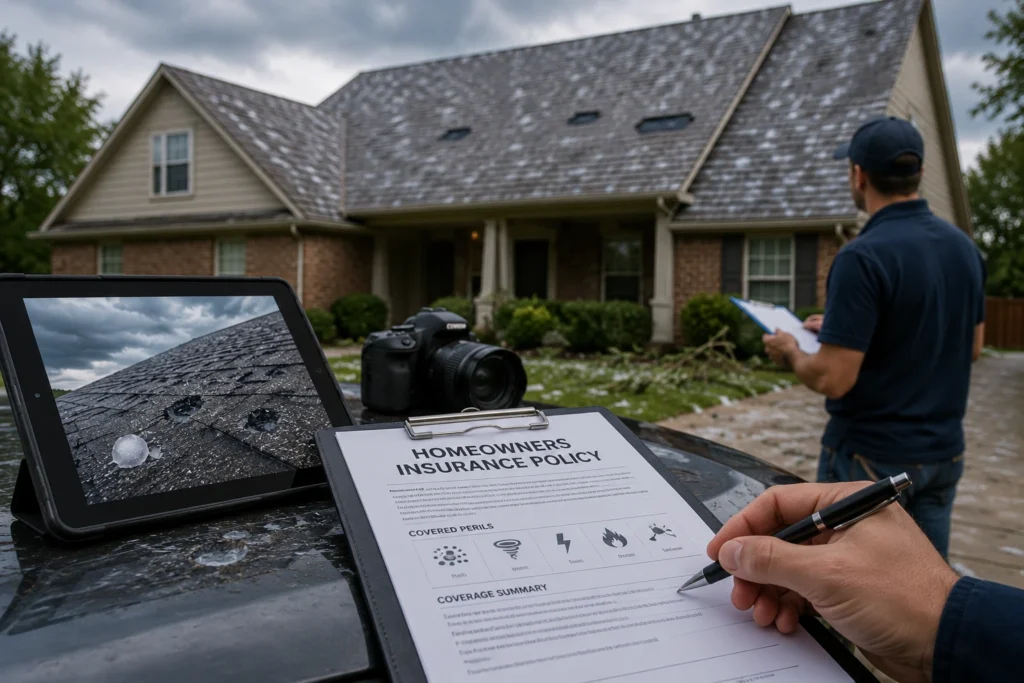
A powerful hailstorm can leave behind far more than scattered ice across your yard. It can quietly compromise one of the most important parts of your home your roof. That’s why understanding heavy hail roof damage insurance is essential before you ever need to file a claim. Even when a roof appears intact from the ground, hidden damage may already be allowing moisture to work its way beneath the surface. For homeowners in Mansfield, knowing how insurance policies respond to severe hail damage can make the difference between a smooth recovery and an expensive surprise.
Storm damage often happens in seconds, yet insurance claims can take weeks or even months to resolve. During that time, homeowners are expected to document damage, communicate with adjusters, understand policy language, and make decisions that could affect thousands of dollars in repairs. It can feel overwhelming. Fortunately, knowing how the process works before the next storm arrives puts you in a much stronger position.
Hail is unlike many other weather events because it strikes with concentrated force. Wind may gradually loosen roofing materials over time, but hailstones can instantly fracture shingles, dent metal flashing, and weaken protective roofing components. Some damage becomes obvious immediately, while other problems remain hidden until the first heavy rain exposes a leak. Insurance companies recognize hail as one of the most common causes of property claims across the United States. However, approval isn’t automatic simply because hail fell in your neighborhood. Adjusters still evaluate whether the damage resulted directly from the storm, whether the roof was properly maintained, and whether repairs or complete replacement are justified.
The good news is that homeowners who understand the claims process typically avoid many of the delays and frustrations that catch others off guard. From documenting damage correctly to requesting thorough inspections, every step you take after a storm contributes to the strength of your claim. This guide explains how hail affects roofing systems, what insurance policies usually cover, common reasons claims are reduced or denied, and practical steps you can take to protect both your home and your financial investment.
What Is Considered Heavy Hail Roof Damage?
Not every hailstorm causes serious roofing problems. Small hail may leave little more than cosmetic marks, while larger stones can significantly reduce the lifespan of roofing materials in only a few minutes. Heavy hail roof damage generally refers to impacts severe enough to affect the roof’s ability to keep water out and protect the home’s structure.
Several factors determine how much damage occurs:
- Size of the hailstones
- Wind speed during impact
- Duration of the storm
- Roof age
- Roofing material
- Existing wear and tear
- Roof slope
Even hail measuring one inch in diameter can create substantial damage under the right conditions. Larger hailstones traveling at high speeds deliver tremendous impact energy that roofing products simply aren’t designed to absorb repeatedly.
How Hail Damages Roofing Materials
Each roofing material reacts differently when struck by hail.
Asphalt Shingles
Asphalt shingles are among the most common residential roofing products, but they are also particularly vulnerable to repeated hail impacts.
Damage may include:
- Granule loss
- Surface bruising
- Cracked shingle mats
- Torn edges
- Broken seal strips
Granules protect shingles from ultraviolet radiation. Once they’re knocked away, shingles begin aging much faster than expected.
Metal Roofs
Metal roofs are highly durable, yet they aren’t immune.
Heavy hail can produce:
- Dents
- Surface deformation
- Damaged seams
- Bent flashing
- Cosmetic defects
Although many dents don’t immediately cause leaks, severe impacts may weaken seams or protective coatings over time.
Tile Roofs
Concrete and clay tiles resist weather well, but they can crack under large hailstones. Even hairline fractures create opportunities for moisture intrusion during future storms.
Slate Roofing
Natural slate offers exceptional longevity but is brittle when struck by large hail. Broken slate pieces often require careful replacement because matching older roofing materials may be difficult.
Wood Shake Roofs
Wood shakes may split, crack, or chip following heavy hail impacts, exposing untreated wood to moisture and accelerating deterioration.
Hidden Damage That Often Goes Undetected
One of the biggest misconceptions homeowners have is believing visible damage tells the whole story. In reality, some of the most expensive repairs begin with damage no one notices.
Examples include:
- Damaged underlayment
- Weakened roof decking
- Moisture trapped beneath shingles
- Compromised waterproof barriers
- Loosened fasteners
- Small fractures that expand over time
Weeks later, homeowners suddenly notice ceiling stains or attic moisture without realizing the damage actually started during the earlier hailstorm. That’s why professional inspections are so valuable after significant weather events.
Does Homeowners Insurance Cover Heavy Hail Roof Damage?
In many situations, yes. Most standard homeowners insurance policies treat hail as a covered peril, meaning storm-related roof damage is generally eligible for reimbursement when policy conditions are met. However, every policy contains limitations.
Coverage depends on several factors, including:
- Policy language
- Roof condition before the storm
- Cause of damage
- Type of roofing material
- Deductible
- Coverage endorsements
Simply experiencing a hailstorm doesn’t automatically guarantee payment. Insurance companies investigate whether hail actually caused the reported damage.
Covered Perils Explained
A covered peril refers to an event specifically included within your insurance policy. Common covered weather events include:
- Hail
- Windstorms
- Lightning
- Fire
- Falling objects
If hail directly damages your roofing system, insurers typically evaluate repairs based on the policy’s coverage provisions.
When Insurance Typically Pays
Insurance generally provides coverage when:
- Storm damage occurred suddenly.
- Damage wasn’t caused by neglect.
- The roof was reasonably maintained.
- The policy remained active during the loss.
- Documentation supports the claim.
The stronger your evidence, the smoother the claims process often becomes.
Helpful documentation includes:
- Storm dates
- Inspection reports
- Photographs
- Contractor estimates
- Weather records
- Repair invoices
Situations That May Limit Coverage
Insurance doesn’t function as a maintenance plan. Claims become more difficult when damage results primarily from:
- Old age
- Poor maintenance
- Manufacturing defects
- Installation problems
- Long-term deterioration
Some policies also contain cosmetic damage exclusions, particularly for metal roofing. In those situations, dents affecting appearance but not function may receive limited or no reimbursement.
Replacement Cost Value vs Actual Cash Value
Understanding your settlement calculation is just as important as understanding your coverage.
| Replacement Cost Value (RCV) | Actual Cash Value (ACV) |
| Pays replacement cost | Pays depreciated value |
| Higher reimbursement | Lower settlement |
| Depreciation may be recoverable | Depreciation usually deducted |
| More comprehensive protection | Lower premiums in many cases |
Many homeowners don’t realize which valuation method their policy uses until after filing a claim. Reviewing this section of your insurance policy before storm season can eliminate unpleasant surprises later.
Warning Signs Your Roof May Have Serious Hail Damage
Roof damage isn’t always dramatic. In fact, many serious problems begin with relatively small defects that gradually worsen after each rainfall. After any significant hailstorm, inspect your property from the ground if it is safe to do so.
Look for warning signs such as:
- Missing shingle granules
- Dark impact spots
- Cracked shingles
- Broken ridge caps
- Bent flashing
- Damaged vents
- Dented gutters
- Damaged downspouts
- Broken skylights
- Loose roof accessories
By the time these exterior signs become noticeable, underlying damage may already exist. The long-tail question Does Insurance Cover Old Hail Damage often arises when homeowners discover these warning signs months after a storm. The answer depends on policy language, the ability to connect the damage to a covered weather event, and whether the deterioration occurred because of delayed maintenance or the original hail impact. Interior damage can also signal roofing problems.
Watch for:
- Water stains on ceilings
- Damp attic insulation
- Mold growth
- Peeling paint
- Soft drywall
- Musty odors
Interior evidence often strengthens the connection between roof damage and resulting water intrusion.
What To Do Immediately After a Heavy Hailstorm
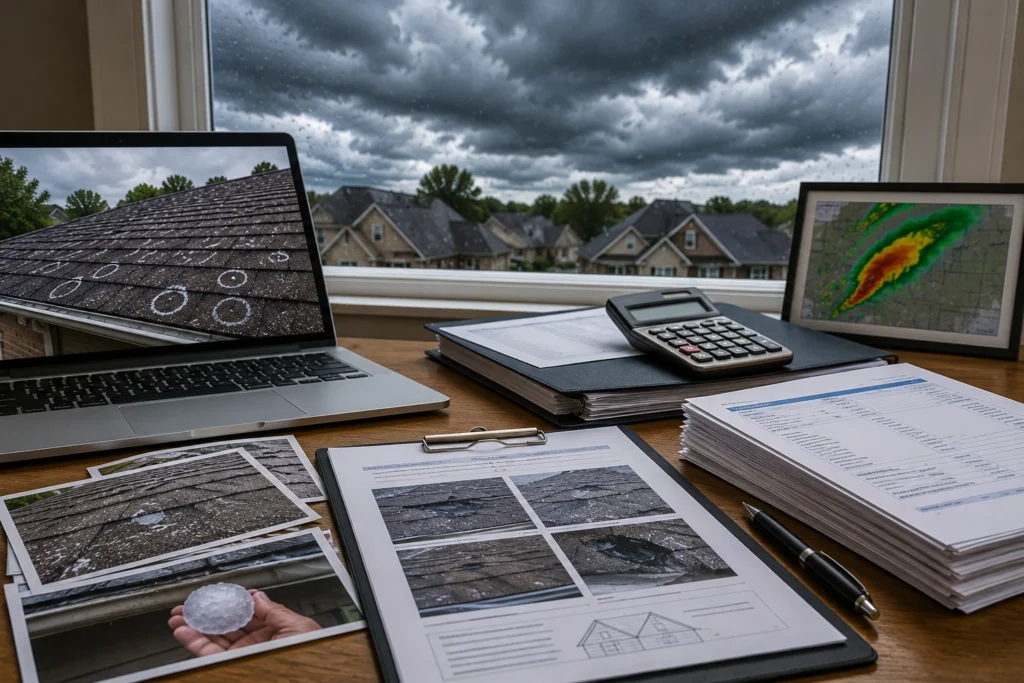
The hours immediately following a storm matter. The actions you take can help protect both your home and your insurance claim.
Step 1: Stay Safe
Safety always comes first. Avoid climbing onto the roof immediately after severe weather.
Instead:
- Watch for fallen power lines.
- Stay away from unstable trees.
- Wait until conditions improve.
- Inspect from ground level whenever possible.
If emergency responders issue warnings, follow their instructions before evaluating property damage.
Step 2: Photograph Everything
Documentation is one of your strongest tools.
Take photographs of:
- Roof surfaces visible from the ground
- Gutters
- Downspouts
- Windows
- Siding
- Air conditioning units
- Fencing
- Outdoor furniture
- Vehicles
- Interior water damage
Capture wide shots as well as close-up images. The more complete your documentation, the easier it becomes to demonstrate the storm’s overall impact.
Step 3: Prevent Additional Damage
Insurance policies generally expect homeowners to take reasonable steps to reduce further loss after a covered event.
Temporary measures may include:
- Covering exposed roof areas with tarps
- Removing tree limbs
- Catching interior leaks with buckets
- Protecting furniture from water
- Drying wet materials
These temporary actions help prevent additional deterioration while permanent repairs are arranged.
Step 4: Keep Every Receipt
Emergency expenses often become part of the insurance claim.
Save receipts for:
- Tarps
- Emergency roof repairs
- Water mitigation
- Hotel stays if necessary
- Temporary supplies
- Cleanup equipment
Organized records simplify reimbursement discussions later.
Step 5: Schedule a Professional Roof Inspection
A trained roofing professional can identify damage that homeowners frequently overlook.
Their inspection may include:
- Shingle testing
- Flashing evaluation
- Underlayment assessment
- Vent inspections
- Moisture detection
- Photographic documentation
Professional reports often provide valuable evidence during the insurance review process.
How the Heavy Hail Roof Damage Insurance Claim Process Works
Knowing what happens after filing a claim removes much of the uncertainty. Although every insurer follows its own procedures, most claims move through several predictable stages.
| Step | What Happens |
| Report the claim | Notify your insurance company as soon as practical. |
| Initial review | The insurer assigns a claim representative. |
| Property inspection | An adjuster evaluates the roof and surrounding damage. |
| Damage estimate | Repair or replacement costs are calculated. |
| Policy review | Coverage and deductibles are applied. |
| Settlement | Payment is issued if the claim is approved. |
Every stage depends on accurate information and thorough documentation. In the next section, we’ll take a closer look at how adjusters evaluate hail damage, why some claims are disputed, and what homeowners in Mansfield can do to improve the outcome of their heavy hail roof damage insurance claim.
Insurance Adjuster Inspection
Once your claim is opened, the insurance company typically schedules an inspection with one of its adjusters. This visit is one of the most important stages of the heavy hail roof damage insurance process because the findings often shape the initial settlement offer.
During the inspection, the adjuster generally looks for:
- Bruised or fractured shingles
- Granule loss
- Damaged flashing
- Dented roof vents
- Broken ridge caps
- Damaged gutters and downspouts
- Signs of water intrusion
The adjuster will also consider the roof’s age, condition before the storm, and whether the observed damage is consistent with recent hail impacts. Be present during the inspection whenever possible. Walking through the property with the adjuster allows you to point out areas of concern and ask questions about what is being documented.
Reviewing the Damage Estimate
After the inspection, you’ll usually receive a written estimate outlining the insurer’s assessment. Don’t skim it. Take the time to compare the estimate against the actual damage found during inspections. Missing line items, underestimated quantities, or overlooked components can significantly reduce the settlement amount.
Review items such as:
- Number of damaged shingles
- Flashing replacement
- Ridge cap repairs
- Underlayment replacement
- Vent replacement
- Gutter repairs
- Labor costs
- Material pricing
If something appears incomplete, request clarification before repairs begin.
Understanding Deductibles
Every insurance claim includes a deductible the amount you pay before insurance contributes.
For example:
| Repair Cost | Deductible | Insurance Pays |
| $12,000 | $2,000 | $10,000 |
| $18,500 | $2,500 | $16,000 |
| $30,000 | $5,000 | $25,000 |
Some states and insurance policies apply separate wind or hail deductibles that differ from the standard deductible listed elsewhere in the policy. Knowing this amount before filing helps you better understand your expected out-of-pocket costs.
Repair vs. Replacement Decisions
Not every damaged roof requires complete replacement. Insurance companies typically evaluate several factors before making that determination.
They may consider:
- Percentage of damaged roofing
- Roof age
- Availability of matching materials
- Local building codes
- Manufacturer requirements
- Safety concerns
Minor localized damage may justify targeted repairs. However, widespread hail impacts affecting multiple roof sections often make replacement the more practical long-term solution.
Final Settlement
After the claim review is complete, the insurance company issues its settlement decision. The outcome generally falls into one of three categories:
- Full approval
- Partial approval
- Denial
If approved, payment may arrive in stages, particularly when replacement cost coverage applies. The initial payment often reflects actual cash value, while recoverable depreciation may be released after repairs are completed and documented. Read every settlement document carefully before accepting the payment.
Why Heavy Hail Damage Claims Are Sometimes Denied
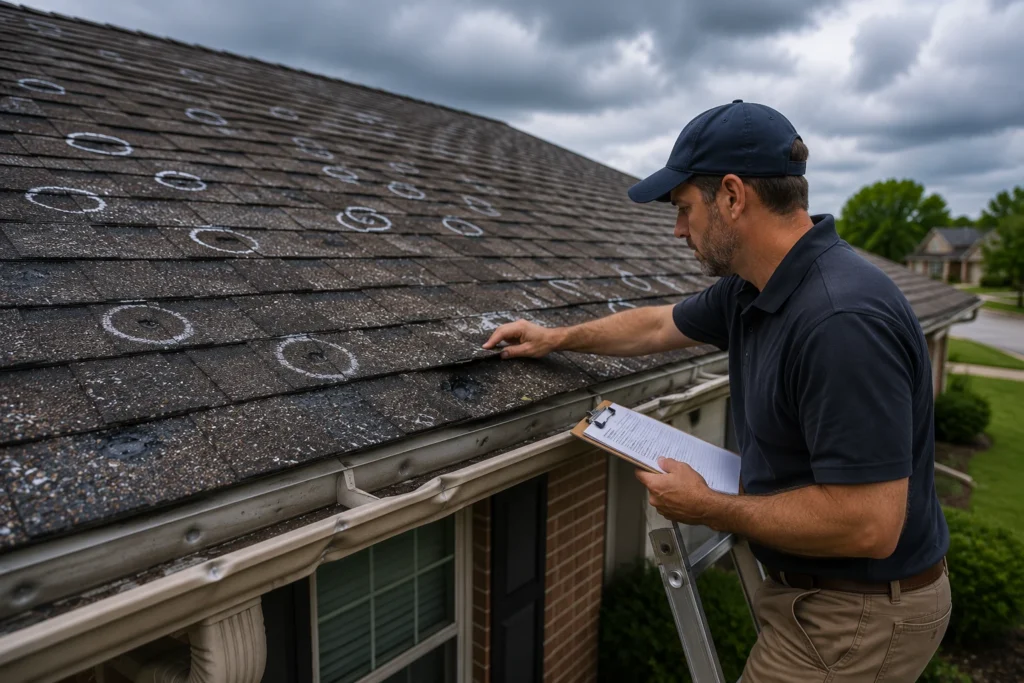
Receiving a denial doesn’t always mean your roof escaped damage. It simply means the insurance company believes the available evidence doesn’t support payment under the policy.
Some of the most common reasons include:
- Damage existed before the reported storm.
- The roof suffered from long-term deterioration.
- Maintenance issues contributed to the damage.
- Documentation is insufficient.
- The claim was filed too late.
- The damage is considered cosmetic only.
- The insurer attributes the damage to another cause.
Each of these situations can complicate an otherwise legitimate claim. For example, waiting several months before requesting an inspection may make it more difficult to demonstrate that the damage resulted from one specific hailstorm instead of normal aging. Likewise, missing photographs or repair records can leave important questions unanswered.
If your claim is denied, don’t assume the decision is final. Request a copy of the adjuster’s report and review the explanation carefully. Independent inspections, additional photographs, weather records, or contractor evaluations may provide evidence supporting a reconsideration.
Can Heavy Hail Damage Lead to a Full Roof Replacement?
Yes under the right circumstances. Insurance companies don’t automatically replace every hail-damaged roof. Instead, they evaluate whether repairs can reasonably restore the roof to its pre-loss condition. Several factors influence that decision.
Roof Age
Older roofing systems often present unique challenges. Even if only part of the roof is damaged, replacement shingles may no longer match the existing material due to fading, discontinued product lines, or manufacturer changes.
Extent of Damage
A handful of damaged shingles rarely requires replacing an entire roof. However, extensive impacts across multiple slopes often indicate broader structural concerns.
Matching Requirements
Some jurisdictions require reasonably uniform repairs. If matching materials cannot be obtained, insurers may determine that replacing additional roof sections or even the entire roof is necessary to achieve a consistent appearance.
Building Code Requirements
Roofing work frequently triggers updated building code requirements.
These codes may require:
- Improved underlayment
- Ice and water barriers
- Enhanced ventilation
- Additional fastening methods
Insurance policies sometimes include ordinance or law coverage that helps pay for these required upgrades.
Manufacturer Availability
When roofing products have been discontinued, replacing isolated areas may no longer be practical. Replacement becomes more likely when compatible materials simply aren’t available.
The Role of a Public Adjuster in Heavy Hail Roof Damage Insurance Claims
Many homeowners have never worked with a public adjuster until a significant loss occurs. Unlike insurance company adjusters, who represent the insurer, public adjusters work on behalf of the policyholder. Their primary objective is to evaluate damage independently and help prepare, document, and negotiate the claim.
What a Public Adjuster Does
Responsibilities often include:
- Inspecting the property
- Reviewing insurance policies
- Preparing detailed damage estimates
- Documenting overlooked damage
- Communicating with the insurer
- Negotiating claim settlements
Because they focus solely on the policyholder’s interests, they often identify damages that may have been underestimated during the initial inspection.
Benefits of Independent Damage Evaluation
Independent evaluations frequently provide:
- More detailed documentation
- Additional photographs
- Moisture testing
- Roofing measurements
- Material analysis
- Repair cost verification
These reports can strengthen discussions with the insurance company if disagreements arise.
Negotiating With Insurance Companies
Insurance claims involve more than simply reporting damage. Settlement discussions may require reviewing policy language, comparing repair estimates, responding to requests for information, and addressing differences between contractor findings and insurance evaluations.
Having knowledgeable representation can help homeowners navigate these conversations with greater confidence. For property owners in Mansfield, especially after widespread hailstorms affecting entire neighborhoods, professional claim assistance may help ensure the damage is evaluated as thoroughly as possible.
Common Mistakes Homeowners Make After Severe Hailstorms
Small mistakes immediately following a storm can have long-term consequences. Fortunately, most are avoidable. Common errors include:
Waiting Too Long
Delays may allow additional deterioration and make it harder to establish when the damage occurred.
Throwing Away Damaged Materials
Broken shingles, flashing, and other roofing components may become valuable evidence later.
Cleaning Up Before Taking Photos
Always document the damage before beginning cleanup whenever conditions are safe.
Accepting the First Settlement Without Review
The initial estimate isn’t necessarily the final word. Take time to compare it with contractor findings.
Skipping a Professional Inspection
Ground-level observations rarely reveal every issue affecting the roofing system.
Ignoring Interior Damage
Water stains, attic moisture, and ceiling discoloration should all be documented alongside exterior damage.
Not Reading the Policy
Many homeowners don’t discover deductibles, exclusions, or coverage limitations until the claim is already underway.
Understanding these provisions beforehand reduces surprises.
Tips for Strengthening Your Heavy Hail Roof Damage Insurance Claim
Preparing a strong claim starts long before paperwork reaches the insurance company. Simple habits can significantly improve the quality of your documentation. Here are practical strategies that often make a difference.
Photograph Everything
Take wide-angle photographs of the entire property as well as close-up images of individual damage. Continue documenting repairs throughout the process.
Keep Storm Information
Save:
- Storm dates
- Weather alerts
- News reports
- Hail size information
- Local weather summaries
These records help establish the timing of the event.
Document Interior Damage
Don’t focus exclusively on the roof.
Photograph:
- Ceiling stains
- Wet insulation
- Damaged drywall
- Flooring
- Personal belongings
Secondary damage often supports the overall claim.
Save Every Receipt
Maintain organized records for:
- Emergency repairs
- Temporary tarps
- Cleanup supplies
- Hotel accommodations
- Water mitigation services
Obtain Independent Inspections
Professional evaluations provide valuable documentation that complements the insurance company’s inspection.
Stay Organized
Create a dedicated folder containing:
- Insurance correspondence
- Inspection reports
- Contractor estimates
- Photographs
- Receipts
- Claim numbers
Organization reduces delays when additional information is requested.
Communicate in Writing
Whenever practical, confirm important conversations through email or written correspondence. Written records provide a clear history of discussions and requested actions.
Review Every Estimate Carefully
Never assume an estimate automatically includes every damaged component. Compare repair recommendations, ask questions, and request clarification whenever necessary. The more informed you become, the better positioned you’ll be to navigate the claim process with confidence.
Final Thoughts
A severe hailstorm can change the condition of your roof in just a few minutes, but recovering from the damage often takes much longer. Understanding how heavy hail roof damage insurance works allows you to make informed decisions from the moment the storm passes until the final repairs are complete. The most successful claims rarely happen by accident. They are built on prompt action, detailed documentation, thorough inspections, and a clear understanding of insurance coverage. Taking photographs, protecting your home from additional damage, keeping organized records, and carefully reviewing every estimate all contribute to a stronger claim.
While every policy is different, one principle remains consistent: acting quickly gives you the best opportunity to preserve evidence and avoid unnecessary complications. Even damage that appears minor today can develop into leaks, structural deterioration, or costly interior repairs if left unaddressed. Whether your roof ultimately requires localized repairs or complete replacement, investing time in understanding the claims process can save both money and frustration. Homeowners who ask questions, verify estimates, and seek professional guidance when needed are often better equipped to achieve a fair outcome.
If your property has recently experienced a significant hailstorm, don’t rely solely on what you can see from the ground. A comprehensive inspection can reveal hidden issues before they become major problems. For homeowners in Mansfield, taking proactive steps after severe weather helps protect not only the roof overhead but also the long-term value and safety of the entire home. For readers interested in the science behind how materials deform under repeated impacts, the concept of Plasticity. Understanding this principle helps illustrate why repeated hail impacts can permanently change roofing materials even when cracks aren’t immediately visible.
FAQs
Heavy hail roof damage insurance generally covers sudden storm-related roof damage, subject to your policy terms, deductible, and any applicable exclusions.
Common signs include missing granules, cracked shingles, dented flashing, damaged gutters, and water stains inside your home.
Not necessarily. It’s best to have your roof professionally inspected first to determine whether the damage is significant enough to justify a claim.
Yes. Small cracks or bruises can worsen over time, allowing water to penetrate the roofing system long after the storm has passed.
The deadline depends on your insurance policy and state regulations, so review your policy and report damage as soon as possible.
If the hail damage is extensive and repairs cannot reasonably restore the roof, your insurer may approve a full replacement.
Document the damage with photos, prevent further water intrusion if it’s safe to do so, and arrange a professional roof inspection promptly.
Yes. In most cases, homeowners have the right to select the contractor they want for roof repairs or replacement.
Claims may be denied because of insufficient evidence, late reporting, maintenance issues, or a determination that the damage wasn’t caused by hail.
If your claim is complex, disputed, or undervalued, a public adjuster can help document the damage and negotiate with the insurance company on your behalf.