
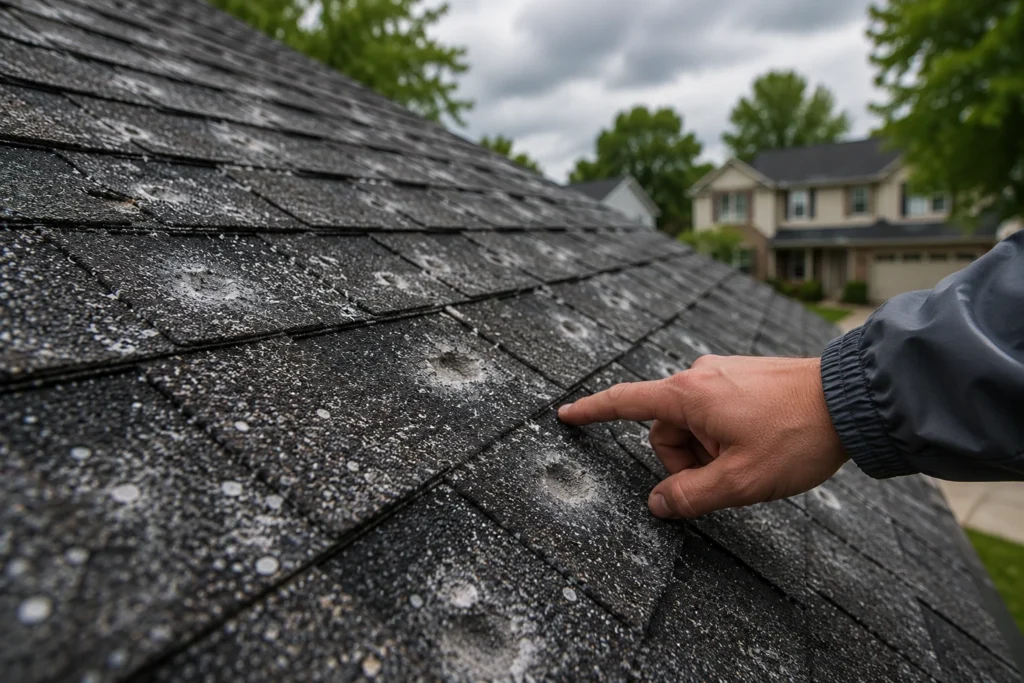
A powerful hailstorm can last only a few minutes, yet the damage it leaves behind may affect a home for years. That raises an important question many homeowners eventually ask: does insurance cover old hail damage? The answer is not always straightforward. In some situations, insurance may still provide coverage, while in others, delays, missing documentation, or policy limitations can make recovering compensation much more difficult. Understanding how insurers evaluate older damage helps homeowners make informed decisions before filing a claim.
Many people assume hail damage always causes immediate leaks or obvious missing shingles. In reality, some forms of damage remain hidden long after the storm has passed. Tiny fractures, bruised shingles, damaged flashing, or weakened roofing materials can slowly worsen with exposure to sun, wind, and rain. Months later, when a leak finally appears, homeowners are left wondering when the damage actually began. For homeowners in Mansfield, severe weather is simply part of life. Spring and early summer storms can produce hail capable of damaging roofing systems, gutters, siding, windows, and outdoor equipment. Yet many residents never climb onto their roofs after a storm, meaning damage often goes unnoticed until another inspection or home improvement project uncovers the problem.
Even professionals rely on careful observation rather than assumptions when evaluating storm damage. Roofing inspectors often analyze material deterioration, impact patterns, and even concepts related to fracture mechanics, the engineering field that studies how materials crack and fail under stress. Learning more about fracture mechanics can provide interesting insight into why seemingly small impacts sometimes lead to significant structural problems over time. If you suspect hail may have damaged your property months or even years ago, don’t assume your opportunity to file a claim has disappeared. Instead, learn what insurance companies look for, how they determine the age of damage, and what steps can improve your chances of receiving a fair settlement. Acting with the right information often makes all the difference.
What Counts as “Old” Hail Damage?
Before answering does insurance cover old hail damage, it’s important to understand what insurers mean by “old.” Old hail damage doesn’t necessarily mean damage that occurred years ago. Instead, it generally refers to damage that was not reported immediately after the storm or remained undiscovered for an extended period. A roof may have experienced a hailstorm last season, but if no inspection occurred until months later, insurance companies will evaluate whether the damage can still be linked to that covered event.
Several situations commonly lead to delayed discovery.
- The roof has no immediate leaks.
- Damage affects only a small section.
- Homeowners rarely inspect the roof.
- Attics remain inaccessible.
- Minor cosmetic damage gradually becomes functional damage.
Not every dent or mark indicates a recent hailstorm. Roofing materials naturally age, and distinguishing weather damage from normal deterioration becomes one of the most important parts of any insurance investigation.
Visible vs. Hidden Damage
Some hail damage practically announces itself. Broken skylights, cracked windows, shattered roof tiles, and dented gutters are easy to recognize. Hidden damage, however, presents a greater challenge.
Examples include:
- Bruised asphalt shingles
- Micro-fractures in fiberglass mats
- Damaged seal strips
- Loosened flashing
- Compromised underlayment
- Weakened ridge caps
These issues may not create immediate water intrusion, but they reduce the roof’s ability to protect the home over time.
Cosmetic Damage vs. Functional Damage
Insurance companies also separate cosmetic damage from functional damage.
| Cosmetic Damage | Functional Damage |
| Surface dents | Cracked shingles |
| Minor discoloration | Water intrusion |
| Slight granule disturbance | Exposed underlayment |
| Appearance changes | Structural weakness |
| Little effect on performance | Reduced weather protection |
Functional damage generally receives far greater attention because it directly affects the roof’s ability to perform its intended purpose.
Does Insurance Cover Old Hail Damage?

Now for the question homeowners really want answered. Does insurance cover old hail damage? Sometimes yes. Sometimes no. The determining factor isn’t simply how old the damage is. Instead, insurers evaluate several pieces of evidence before deciding whether coverage applies.
Coverage often depends on:
- Whether the policy was active when the storm occurred
- How quickly the claim was reported
- The wording of the insurance policy
- Available inspection reports
- Weather records
- Maintenance history
- Evidence connecting the damage to a specific hailstorm
That means two homeowners with nearly identical roofs could receive very different claim outcomes depending on the documentation they provide.
Insurance Policies Matter
No two homeowners insurance policies are identical. Some policies require prompt reporting after discovering damage. Others establish specific deadlines measured from the storm date itself.
Reading the policy carefully helps homeowners understand:
- Covered perils
- Exclusions
- Deductibles
- Reporting requirements
- Replacement cost provisions
- Actual cash value provisions
Ignoring these details can lead to unpleasant surprises during the claims process.
Documentation Can Change Everything
Insurance companies rarely approve large roof replacements based solely on a homeowner’s opinion. Instead, they want evidence.
Helpful documentation includes:
- Roof inspection reports
- Weather event records
- Maintenance records
- Previous repair invoices
- Photographs
- Contractor assessments
- Drone imagery
The more evidence available, the easier it becomes to connect existing damage with a covered hail event.
How Insurance Companies Determine the Age of Hail Damage
One reason does insurance cover old hail damage has no universal answer is because determining when damage occurred requires careful investigation. Insurance adjusters rarely rely on a single observation. Instead, they combine several forms of evidence.
Professional Roof Inspection
A thorough inspection examines much more than shingles.
Inspectors evaluate:
- Roofing material condition
- Granule loss
- Impact marks
- Flashing
- Ridge vents
- Roof penetrations
- Gutters
- Soft metals
- Skylights
Patterns often reveal whether damage likely resulted from hail or simply years of weather exposure.
Weather History
Weather databases provide another important piece of evidence. Insurers routinely compare reported storm dates with:
- Hail size
- Wind speed
- Storm tracks
- Radar information
- Local weather reports
If no significant hailstorm occurred during the claimed period, approval becomes much less likely. Conversely, verified hail events strengthen the claim considerably.
Engineering Analysis
Complex claims sometimes involve engineering consultants.
These specialists evaluate:
- Impact angles
- Material deformation
- Crack progression
- Structural integrity
- Roofing system performance
Their findings often influence whether insurers classify damage as storm-related or age-related.
Material Aging
Roofing materials naturally deteriorate. Sun exposure… Temperature fluctuations… Heavy rainfall… Strong winds… All contribute to gradual wear. Insurance adjusters compare natural aging against impact characteristics created by hailstones. Experienced inspectors recognize differences between ordinary weathering and sudden storm damage.
Previous Claim Records
Insurance companies also review previous claims.
Questions they may ask include:
- Has this roof been repaired before?
- Was hail previously reported?
- Were earlier recommendations completed?
- Were replacement estimates declined?
Incomplete repairs from prior claims can complicate new claims if insurers believe earlier damage was never addressed.
Factors That Determine Whether Your Claim May Be Covered
Homeowners often focus on one question: “Will insurance pay?”
The better question is: “Can I prove the damage qualifies under my policy?”
Several factors heavily influence that answer.
Your Policy Was Active During the Storm
Coverage generally applies only if the policy was active when the hailstorm occurred. If damage happened before purchasing coverage, insurers typically classify it as pre-existing damage.
The Damage Was Reported Within Required Timeframes
Prompt reporting matters. Many policies require homeowners to notify the insurance company as soon as reasonably possible after discovering damage. Waiting too long can make proving the connection between damage and the storm increasingly difficult.
You Can Connect Damage to a Specific Storm
Evidence matters more than assumptions.
Useful documentation includes:
- Date-stamped photographs
- Contractor inspection reports
- Neighboring damage reports
- Local weather records
- Roofing assessmentsCommon Reasons Insurance Companies Deny Old Hail Damage Claims
Together, these pieces create a stronger narrative linking roof damage to an insured event.
Proper Roof Maintenance
Insurance covers sudden accidental damage not neglect. If inspections reveal years of deferred maintenance, insurers may argue deterioration resulted from aging rather than hail. Routine maintenance demonstrates responsible ownership and often strengthens claim credibility.
Previous Roof Condition
A roof already nearing the end of its lifespan may still qualify for coverage.
However, insurers will carefully distinguish between:
- Existing deterioration
- Previous repairs
- Storm-created damage
- Long-term wear
This distinction frequently becomes the central issue during claim evaluations.
Common Reasons Insurance Companies Deny Old Hail Damage Claims
Not every denied claim means the insurer acted unfairly. Sometimes the available evidence simply fails to satisfy policy requirements. Understanding common denial reasons helps homeowners avoid preventable mistakes.
Normal Wear and Tear
Insurance policies generally exclude ordinary aging.
Examples include:
- Curling shingles
- Granule loss from age
- Surface fading
- Thermal cracking unrelated to hail
- Oxidation of metal components
If adjusters conclude deterioration occurred naturally, coverage may be denied.
Missed Reporting Deadlines
Even legitimate storm damage can become difficult to prove after extended delays.
Over time:
- Repairs occur.
- Additional storms strike.
- Materials continue aging.
- Evidence disappears.
The longer homeowners wait, the harder it becomes to establish exactly when damage happened.
Insufficient Documentation
A claim supported only by verbal statements rarely carries the same weight as one backed by photographs, inspections, and weather data. Strong documentation often separates approved claims from denied ones.
Pre-Existing Damage
Insurance companies do not pay twice for the same damage. If inspections determine roof issues existed before the reported hailstorm or before the policy began coverage is unlikely.
Lack of Maintenance
Neglected roofs present another challenge. Blocked gutters, deteriorated flashing, missing shingles left unrepaired, and long-term moisture problems may lead insurers to conclude maintenance failures contributed more to the damage than the hailstorm itself.
That doesn’t necessarily end the conversation, but it often makes the claim more complex. Careful inspections, detailed documentation, and professional evaluations become even more valuable when questions about older storm damage arise. In the next section, we’ll explore filing deadlines, warning signs of hidden hail damage, practical steps to take after discovering possible damage, and how experienced public adjusters can help homeowners navigate the claims process more effectively.
How Long Do You Have to File a Hail Damage Claim?
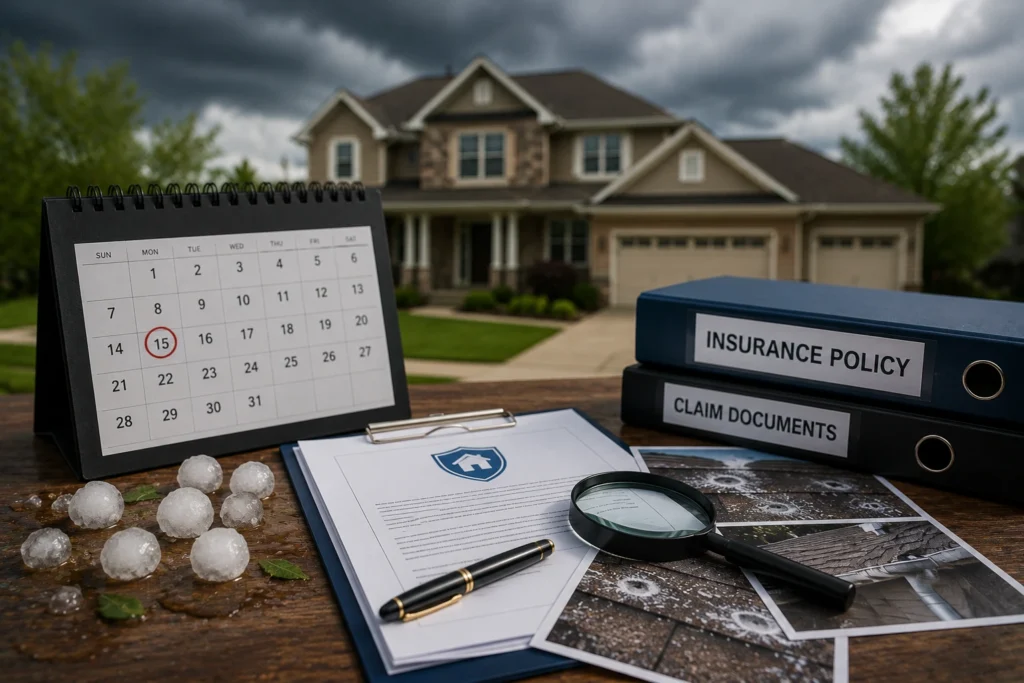
One of the biggest misconceptions homeowners have is believing there is a universal deadline for filing a hail damage claim. There isn’t. The amount of time you have depends on several factors, including your insurance policy, state regulations, and when the damage was discovered. Some policies require homeowners to report damage “promptly” or “as soon as reasonably possible,” while others include more specific time limits. That uncertainty is one reason homeowners frequently ask, does insurance cover old hail damage? The longer damage goes unnoticed, the more difficult it becomes to connect it to a particular storm.
Here’s a simplified overview.
| Factor | Why It Matters |
| Insurance policy language | Determines reporting requirements |
| Date of the hailstorm | Establishes the covered event |
| Date damage was discovered | May affect reporting obligations |
| State laws | Some states have claim limitations |
| Available documentation | Helps support late-discovered claims |
If you’re unsure whether enough time has passed to affect your claim, don’t assume the answer is no. Reviewing your policy and speaking with a qualified professional is almost always worthwhile.
Signs You May Have Undiscovered Hail Damage
Not every damaged roof leaks immediately. In fact, many homeowners learn about hail damage during a home inspection, roof replacement estimate, or after another storm exposes an existing weakness. Knowing what to look for can help you catch problems before they become much more expensive.
Exterior Warning Signs
Walk around your property after a storm. Even if you can’t safely inspect the roof, other components often tell the story.
Look for:
- Dented gutters
- Damaged downspouts
- Impact marks on metal roof vents
- Chipped siding
- Broken window screens
- Cracked skylights
- Missing shingle granules near downspouts
- Bruised or cracked shingles
Damage to these items often suggests the roof may also have sustained impacts.
Interior Warning Signs
Sometimes the first clues appear inside the home.
Watch for:
- Ceiling stains
- Damp insulation
- Attic moisture
- Mold growth
- Peeling paint
- Musty odors
- Unexpected drafts
- Water spots around vents or chimneys
Even small leaks deserve immediate attention. Water has a way of traveling before becoming visible, meaning the source may be several feet away from where stains appear.
What to Do If You Suspect Old Hail Damage
Discovering possible storm damage months after the event can feel overwhelming. Fortunately, there are practical steps you can take.
Schedule a Professional Inspection
Start with an inspection. Experienced roofing professionals understand the difference between hail impacts, aging materials, manufacturing defects, and ordinary wear.
A detailed inspection should include:
- Roof photographs
- Close-up images of impact areas
- Measurements
- Condition notes
- Recommendations
- Estimated repair or replacement needs
Avoid climbing onto your roof unless you can do so safely. Falls remain one of the leading causes of homeowner injuries.
Gather Weather Information
Weather records provide valuable evidence.
Many inspectors compare:
- Storm dates
- Hail size
- Wind speeds
- Radar history
- Neighborhood storm reports
Matching roof damage with documented weather events strengthens the overall claim.
Document Everything
Good documentation creates credibility.
Create a file containing:
- Inspection reports
- Repair estimates
- Maintenance records
- Previous roof invoices
- Photographs
- Insurance correspondence
- Temporary repair receipts
Organization often saves time during the claims process.
Read Your Insurance Policy
Policies contain valuable information many homeowners never read.
Pay attention to:
- Covered perils
- Exclusions
- Deductibles
- Replacement provisions
- Reporting obligations
- Endorsements
Understanding your policy before contacting the insurer helps you ask better questions.
Avoid Permanent Repairs Too Soon
Emergency repairs that prevent additional damage are usually appropriate. Complete roof replacement before the insurer inspects the damage may complicate your claim.
Whenever possible:
- Photograph damage first.
- Preserve damaged materials.
- Keep receipts.
- Document emergency mitigation.
The Role of a Public Adjuster
Insurance companies assign adjusters to evaluate claims. Homeowners also have the option of hiring a public adjuster who works on their behalf rather than for the insurance carrier. That distinction matters. A Fire Insurance Adjuster represents the policyholder’s interests throughout the claim process.
Services may include:
- Reviewing policy language
- Inspecting damage
- Preparing documentation
- Estimating repair costs
- Meeting with insurance representatives
- Negotiating settlements
- Explaining coverage questions
For larger or disputed claims, this expertise can be particularly valuable. When homeowners continue asking, does insurance cover old hail damage, public adjusters often help identify the evidence needed to answer that question based on the specific facts of the loss.
Can Multiple Hailstorms Complicate Your Claim?
Absolutely. Imagine this situation. A hailstorm strikes in April. Another arrives in June. A third storm occurs six months later. When roof damage is finally discovered, determining which storm caused which impacts becomes considerably more complicated.
Insurance companies may attempt to separate:
- Old damage
- New damage
- Wear and tear
- Previous repairs
- Unrelated deterioration
This is why inspections performed soon after significant storms remain so valuable. They establish a timeline. Without one, proving exactly when damage occurred becomes increasingly difficult.
Roof Age vs. Hail Damage: Does an Older Roof Still Qualify?
Many homeowners believe an older roof automatically disqualifies them from receiving insurance benefits. That’s not necessarily true. Insurance companies insure older roofs every day.
The real issue is whether the hailstorm caused covered damage beyond ordinary aging. An older roof may still qualify if inspectors determine the storm created functional damage requiring repair or replacement. However, settlement amounts often depend on policy type.
Replacement Cost Value (RCV)
Replacement Cost Value generally pays the cost to replace damaged materials with similar new materials, subject to policy terms and deductibles.
Actual Cash Value (ACV)
Actual Cash Value considers depreciation. That means payment may reflect the roof’s age and remaining useful life rather than the full replacement cost. Understanding which valuation method applies can significantly affect the final settlement.
Tips to Improve Your Chances of Claim Approval
While no strategy guarantees approval, homeowners can improve their position by staying proactive rather than reactive.
Consider these best practices.
- Schedule professional roof inspections after major hailstorms.
- Keep maintenance records organized.
- Save receipts for repairs and inspections.
- Photograph your roof periodically.
- Address small issues before they become major problems.
- Report suspected storm damage promptly.
- Keep copies of all insurance communications.
- Ask questions whenever policy language seems unclear.
Simple habits today often prevent major headaches later.
Why Local Weather History Matters
Every hailstorm tells a different story. Some produce marble-sized hail. Others generate golf-ball-sized or even baseball-sized hail capable of causing widespread property damage. For homeowners in Mansfield, maintaining records of severe weather events can make future insurance claims much easier to support. Local storm reports, inspection records, and routine roof maintenance together create a documented history that insurers often find valuable during claim evaluations.
Weather history also helps professionals compare the observed damage with the intensity of known storms. When multiple properties throughout a neighborhood display similar impact patterns, that consistency often strengthens the overall evidence.
Final Thoughts
So, does insurance cover old hail damage? The answer depends on timing, documentation, policy language, and the ability to connect existing damage to a covered hail event. While older damage can be more challenging to prove, it is not automatically excluded from coverage. Homeowners who act quickly after discovering potential storm damage often place themselves in a much stronger position during the claims process.
Routine inspections remain one of the smartest investments a homeowner can make. They identify problems before they become severe, preserve valuable evidence, and create a clear maintenance history that can support future insurance claims. Waiting for a leak or visible structural issue may only increase repair costs and complicate coverage discussions. If you believe your roof may have suffered storm damage in the past, don’t rely on assumptions. Schedule a professional inspection, review your insurance policy carefully, and gather as much documentation as possible. Even if months have passed since the storm, there may still be options available.
For homeowners in Mansfield, where severe hailstorms can occur with little warning, staying proactive is the best defense against unexpected repair costs. A well-documented roof history, combined with prompt action after major weather events, can make navigating the insurance process far less stressful and greatly improve the likelihood of a fair outcome.
FAQs
Yes, it can. Coverage depends on your policy, the timing of the storm, and whether you can show the damage resulted from a covered event.
Signs include bruised shingles, granule loss, dented metal components, cracked flashing, and water stains inside your home. A professional inspection provides the most reliable assessment.
Not necessarily. However, delays can make it harder to prove the damage came from a specific hailstorm, which may affect your claim.
Yes. Insurance adjusters use inspections, weather records, material condition, and impact patterns to estimate when the damage likely occurred.
Some policies do, while others only cover functional damage that affects the roof’s ability to protect your home. Always review your policy language.
Collect photos of the damage, inspection reports, maintenance records, repair receipts, and any weather reports related to the storm.
Yes. An older roof may still qualify for coverage if the hailstorm caused covered damage beyond normal wear and tear.
Only make emergency repairs necessary to prevent additional damage. Document everything and allow the insurer to inspect the damage first whenever possible.
Consider hiring a public adjuster if your claim is large, disputed, delayed, or denied, or if you need help documenting and negotiating your loss.
Report suspected damage promptly, keep detailed maintenance records, schedule professional inspections, and provide thorough documentation to support your claim.