
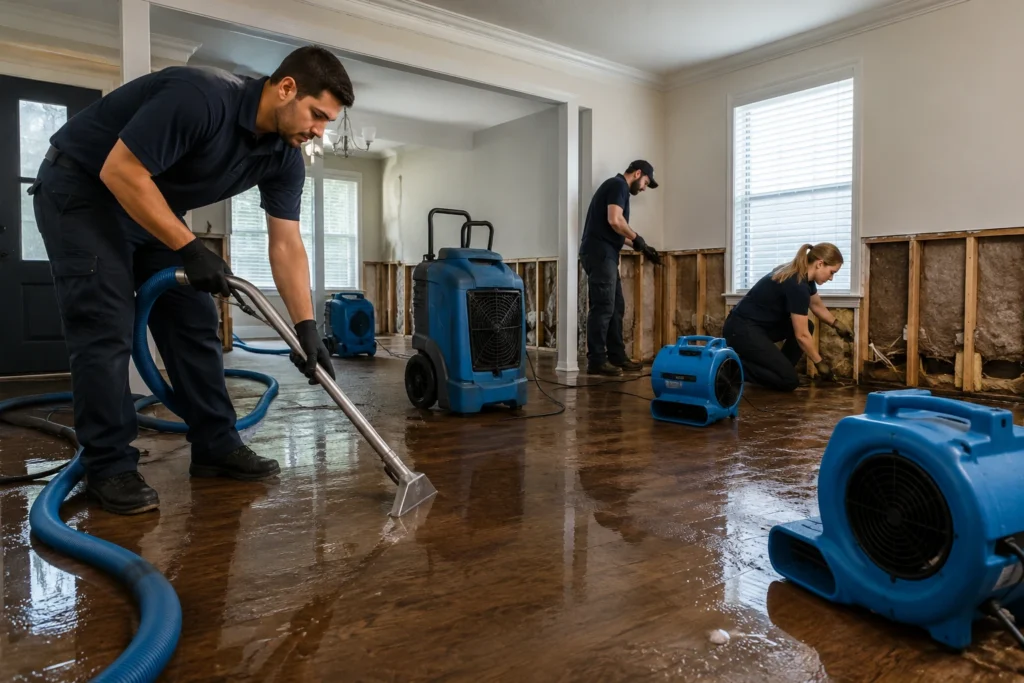
A burst pipe rarely gives you much warning. One minute everything seems normal, and the next you’re dealing with standing water, soaked drywall, damaged flooring, and the stress of contacting your insurance company. If you’re facing Burst Pipe Insurance Claims Mansfield, TX, taking the right steps immediately can make a significant difference in both the condition of your home and the outcome of your insurance claim. Water spreads quickly, and every minute counts. Acting fast while documenting the damage thoroughly helps protect your property and strengthens your position during the claims process.
Unlike many other home emergencies, water damage continues long after the pipe stops leaking. Moisture seeps beneath flooring, inside walls, and above ceilings, often creating problems that remain hidden until repairs begin. That’s why homeowners should view a burst pipe as more than a plumbing issue. It’s a property damage event that deserves careful attention from the moment it’s discovered. Insurance claims involving water damage can feel overwhelming, especially if it’s your first experience filing one. Between arranging emergency repairs, contacting restoration companies, documenting losses, and reviewing policy language, it’s easy to become buried in paperwork while trying to keep your household running normally. Fortunately, understanding how the process works helps eliminate much of the uncertainty.
Homes throughout Mansfield experience plumbing failures for several reasons. Sudden cold weather, aging pipes, corrosion, excessive water pressure, shifting foundations, or accidental damage during renovations can all lead to unexpected pipe failures. Regardless of the cause, the resulting water damage often affects far more than the plumbing system itself.
Many homeowners understandably focus on repairing the broken pipe first. While restoring water service is important, it represents only one part of the recovery process. Proper documentation, professional drying, accurate repair estimates, and organized communication with your insurance company are equally important when pursuing a fair settlement. For complex property losses, homeowners sometimes seek advice from professionals experienced in insurance claim documentation, including a Fire Insurance Adjuster who understands how extensive property damage claims are evaluated. Every situation is unique, but having knowledgeable guidance available can help homeowners better understand what information may support their claim.
Understanding Burst Pipe Damage
Water is remarkably destructive because it moves where you can’t see it. Unlike fire damage or storm damage that often affects obvious areas, water quietly travels behind walls, beneath flooring, through insulation, and into structural framing. By the time stains appear on drywall or ceilings, moisture may have already spread well beyond the original leak.
This hidden migration explains why burst pipe claims often become more extensive than homeowners initially expect. What appears to be a damaged hallway may also involve wet insulation, compromised framing, electrical components, and subfloor materials that require specialized drying or replacement. The plumbing repair itself is frequently one of the smallest portions of the overall insurance claim. Most expenses arise from restoring everything the escaping water damaged afterward.
What Causes Pipes to Burst?
Pipes rarely fail without reason. Understanding the common causes helps homeowners recognize risks before they become emergencies.
Some of the most common causes include:
- Freezing temperatures that cause expanding water inside pipes
- Internal corrosion weakening pipe walls
- High water pressure stressing plumbing connections
- Poor workmanship during installation
- Aging plumbing materials reaching the end of their lifespan
- Foundation movement placing stress on underground lines
- Tree root intrusion affecting exterior plumbing
- Physical damage during remodeling projects
Older homes often contain galvanized steel plumbing that gradually corrodes from the inside out. As corrosion progresses, water flow decreases while pipe walls become increasingly fragile. Copper plumbing generally lasts longer but isn’t immune to failure. Small pinhole leaks can develop over time due to corrosion, mineral content, or long-term vibration within the plumbing system. Even modern plumbing materials can fail unexpectedly if fittings loosen, manufacturing defects exist, or pressure fluctuations place excessive strain on pipe joints.
Why Water Damage Escalates So Quickly
Water follows gravity, but it also travels sideways through porous building materials. Drywall acts like a sponge. Wood framing absorbs moisture. Insulation traps water. Flooring swells. Cabinets expand. The longer moisture remains, the more extensive the repairs often become.
Consider how quickly different materials are affected:
| Building Material | Common Result of Water Exposure |
| Drywall | Swelling, softening, staining |
| Hardwood Floors | Warping, buckling, cupping |
| Laminate Flooring | Delamination and expansion |
| Carpet | Saturation and odor retention |
| Cabinets | Separation and swelling |
| Insulation | Reduced effectiveness |
| Ceiling Materials | Sagging and collapse risk |
Many homeowners assume removing visible water solves the problem. Unfortunately, hidden moisture frequently remains trapped inside structural components unless specialized drying equipment is used. That hidden moisture can continue causing damage long after surfaces appear dry.
Does Homeowners Insurance Cover Burst Pipes?
One of the first questions homeowners ask after discovering a burst pipe is whether insurance will pay for the damage. In many cases, the answer is yes but there are important exceptions.
Most homeowners insurance policies cover sudden and accidental water damage caused by an unexpected plumbing failure. The key word is sudden. Insurance companies generally distinguish between an unexpected pipe rupture and damage resulting from long-term maintenance issues or gradual leaks. Understanding that distinction helps homeowners set realistic expectations before the claim process begins.
What Is Commonly Covered
Although every insurance policy differs, covered losses often include:
- Water damage to walls
- Ceiling repairs
- Flooring replacement
- Damaged insulation
- Cabinet repairs
- Interior painting
- Personal property damaged by water
- Professional drying and mitigation
- Temporary housing when the home becomes uninhabitable
Some policies also provide coverage for tearing out portions of walls or flooring when necessary to access damaged plumbing. However, repairing the pipe itself may not always receive the same level of coverage as repairing the water damage it caused. Reviewing your specific policy language is essential.
Common Coverage Exclusions
Insurance is designed to protect against sudden accidents rather than predictable maintenance problems. Claims become more complicated when the insurer concludes that damage developed gradually over time.
Common exclusions may include:
- Slow leaks occurring over months
- Deferred maintenance
- Known plumbing defects left unrepaired
- Normal wear and tear
- Corrosion from aging pipes
- Neglected plumbing systems
- Mold caused by delayed cleanup
These exclusions don’t automatically prevent coverage. Instead, they highlight why documenting exactly when the pipe failed and how quickly you responded is so important. Supporting evidence often becomes one of the strongest parts of a successful claim.
Immediate Steps to Take After a Pipe Bursts
The actions taken during the first several hours after discovering a burst pipe often influence both the amount of property damage and the efficiency of the insurance claim. Fortunately, homeowners can take several practical steps immediately.
Shut Off the Water Supply
The first priority is stopping additional water from entering the home. Locate the main water shutoff valve and turn it off immediately. If everyone in the household knows where this valve is located before an emergency occurs, valuable time can be saved when every minute matters.
Turn Off Electricity If Necessary
If water has reached electrical outlets, appliances, or breaker panels, avoid entering flooded areas until they can be safely disconnected. Electricity and standing water create dangerous conditions. Never place personal safety behind protecting property.
Contact a Licensed Plumber
Once the water supply has been shut off, contact a licensed plumber as quickly as possible.
Request documentation including:
- Cause of the failure
- Repairs completed
- Materials replaced
- Photographs of the damaged pipe
- Written inspection findings
These documents may later support the insurance claim by explaining how the loss occurred.
Begin Emergency Water Mitigation
Removing water quickly is one of the most important steps in preventing additional damage.
Professional mitigation companies typically use:
- High-capacity extraction equipment
- Commercial dehumidifiers
- Industrial air movers
- Moisture meters
- Thermal imaging cameras
Their objective is not simply drying visible surfaces but removing hidden moisture from structural materials before secondary damage develops.
Document Everything Before Cleaning
One of the biggest mistakes homeowners make is beginning cleanup before documenting the damage.
Instead, take extensive photographs and videos showing:
- Standing water
- Wet flooring
- Ceiling stains
- Damaged furniture
- Cabinets
- Appliances
- Electronics
- Personal belongings
- The broken plumbing
Capture both close-up photographs and wide-angle room views. Continue documenting the property throughout mitigation and reconstruction.
Save Every Receipt
Insurance claims often involve reimbursable emergency expenses.
Create a dedicated folder containing:
- Plumbing invoices
- Drying equipment receipts
- Hotel expenses
- Meal receipts if displaced
- Contractor estimates
- Cleaning invoices
- Material purchases
- Temporary repair costs
Organized records simplify the claims process and reduce the likelihood of overlooking reimbursable expenses.
The Burst Pipe Insurance Claim Process
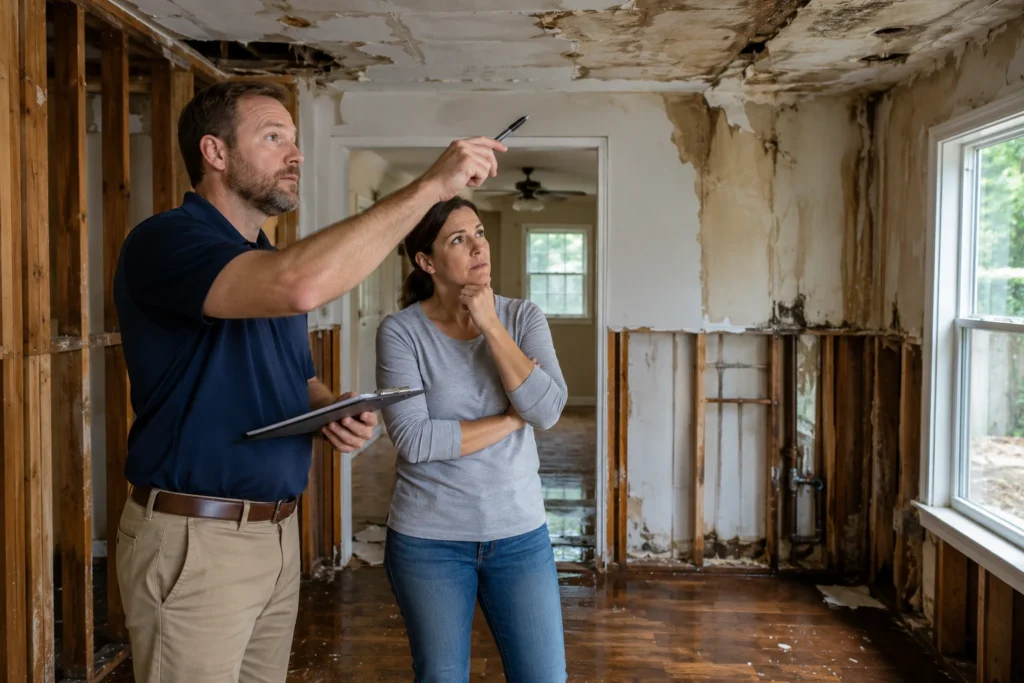
After the emergency has been stabilized, attention shifts toward the insurance claim itself. Understanding how the process typically unfolds helps homeowners stay organized and respond confidently at each stage.
Step 1: Notify Your Insurance Company
Report the loss as soon as reasonably possible after discovering the damage.
Be prepared to provide:
- The date and approximate time the damage was discovered
- The location of the burst pipe
- A brief description of the damage
- Details of any emergency repairs already completed
- Contact information for restoration professionals if mitigation has begun
When speaking with your insurance representative, stick to the known facts. Avoid making assumptions about the exact cause of the pipe failure until licensed professionals have completed their inspections.
Step 2: Begin Emergency Mitigation
After notifying your insurance company, the next priority is preventing additional damage. Most homeowners insurance policies require policyholders to take reasonable steps to protect the property after a covered loss. This obligation is commonly referred to as the duty to mitigate damages.
Professional water mitigation crews are trained to remove standing water, dry structural materials, and monitor moisture levels throughout the property. Their work not only protects the home but also creates documentation that may become valuable during the insurance claim.
Typical mitigation services include:
- Water extraction
- Structural drying
- Dehumidification
- Moisture mapping
- Removal of unsalvageable materials
- Daily moisture monitoring
Prompt action helps minimize secondary damage while demonstrating that the homeowner acted responsibly after discovering the loss.
Step 3: Insurance Adjuster Inspection
Once the claim has been opened, the insurance company will typically assign an adjuster to inspect the property.
During the inspection, the adjuster may:
- Examine the damaged areas
- Measure affected rooms
- Photograph the property
- Review plumbing reports
- Discuss how the pipe failed
- Evaluate visible structural damage
Preparation makes a noticeable difference. Before the inspection, organize all available documentation, including photographs, repair invoices, mitigation reports, plumbing records, and receipts for emergency expenses. Having everything readily available allows the inspection to proceed more efficiently. Walk through the property together and point out every area affected by the water. Even if damage appears minor, it should still be documented because moisture can spread far beyond what is immediately visible.
Step 4: Damage Documentation
The inspection is only one part of the documentation process. Throughout the claim, continue collecting information that supports the full scope of the loss.
Helpful documentation includes:
- Daily progress photographs
- Moisture reports
- Contractor estimates
- Plumbing inspection reports
- Material invoices
- Temporary housing receipts
- Communication logs
- Repair proposals
Many homeowners discover additional damage after demolition begins. When this occurs, photograph everything before repairs continue and notify the insurance company promptly. Keeping organized records from the beginning often makes supplemental claims much easier to support.
Step 5: Obtain Detailed Repair Estimates
Repair estimates should accurately reflect every portion of the restoration project rather than providing only a general cost summary.
A comprehensive estimate commonly includes:
| Repair Category | Examples |
| Demolition | Drywall removal, flooring removal |
| Structural Repairs | Framing, subfloor replacement |
| Interior Finishes | Painting, trim, texture |
| Flooring | Hardwood, tile, carpet, laminate |
| Cabinets | Repair or replacement |
| Plumbing | Pipe replacement and related repairs |
| Electrical | Wiring, outlets, fixtures |
| Cleanup | Final cleaning and debris removal |
Obtaining multiple estimates may help identify missing repair items or pricing differences before settlement discussions begin.
Step 6: Review the Settlement Carefully
Receiving a settlement offer is an important milestone, but homeowners should review every line item before accepting payment. Compare the insurance estimate with contractor proposals and ask questions about any noticeable differences.
Pay close attention to:
- Missing rooms
- Flooring quantities
- Cabinet allowances
- Paint coverage
- Drywall repairs
- Finish carpentry
- Cleanup costs
- Material quality
If additional damage is discovered after repairs begin, notify the insurance company immediately. Supplemental claims are sometimes appropriate when newly uncovered damage relates directly to the original covered loss.
Hidden Damage Insurance Companies Sometimes Miss
Water rarely remains where the pipe burst. Instead, it migrates through framing, insulation, flooring systems, and wall cavities before becoming visible. This hidden movement is one reason burst pipe claims can become more expensive than homeowners initially expect. A thorough inspection should evaluate both visible damage and areas where moisture may have traveled unnoticed.
Moisture Behind Walls
Drywall may look relatively normal even while insulation and framing behind it remain saturated.
Without proper drying, hidden moisture may contribute to:
- Drywall deterioration
- Paint bubbling
- Wood swelling
- Musty odors
- Mold development
Moisture meters and infrared cameras often help identify concealed water intrusion.
Wet Insulation
Insulation performs poorly once saturated. Instead of protecting the home, wet insulation can retain moisture against framing members, increasing the likelihood of long-term deterioration. Depending on the material and level of saturation, replacement may be more appropriate than drying.
Subfloor Damage
Finished flooring often hides significant damage below.
Subfloors may experience:
- Swelling
- Delamination
- Soft spots
- Structural weakening
- Persistent moisture
Replacing flooring without evaluating the underlying structure can allow hidden problems to remain.
Ceiling Cavities
Burst pipes located in attics or upper floors frequently send water into ceiling cavities before visible stains appear. Even after surfaces seem dry, trapped moisture may remain inside insulation or framing. Professional drying helps ensure these concealed areas receive appropriate attention.
Electrical Components
Water exposure may affect:
- Wiring
- Outlets
- Switches
- Lighting fixtures
- Breaker panels
Although electrical systems sometimes continue functioning after water exposure, hidden corrosion can create future reliability or safety concerns. Qualified electricians should inspect affected systems whenever water reaches electrical components.
HVAC Systems
Heating and cooling equipment may also suffer water-related damage.
Possible concerns include:
- Wet ductwork
- Damaged insulation
- Contaminated air handlers
- Moisture inside mechanical components
Proper inspection helps determine whether cleaning, repair, or replacement is appropriate.
Mold Development
One of the greatest concerns following water damage is mold. Moisture trapped inside building materials creates favorable conditions for microbial growth if drying is delayed. Homeowners interested in learning more about the scientific communities of microorganisms that develop on damp surfaces can explore the concept of Biofilm. Although biofilms and mold are different biological phenomena, understanding how microorganisms establish themselves reinforces the importance of prompt water mitigation.
Why Documentation Can Make or Break Your Claim
Insurance claims are evidence-driven. The more organized your documentation, the easier it becomes to demonstrate both the cause of the damage and the repairs required to restore the property properly. Good documentation tells the complete story of the loss from beginning to end.
Essential Photographs
Take photographs immediately after discovering the damage.
Capture:
- Every affected room
- Standing water
- Ceiling damage
- Wall damage
- Flooring
- Cabinets
- Furniture
- Appliances
- Personal belongings
- Plumbing failure
Continue photographing the property during demolition and reconstruction.
Video Walkthroughs
Videos provide additional perspective that still photographs sometimes cannot capture.
Walk slowly through the home while describing:
- Areas affected
- Water depth
- Damage progression
- Personal property losses
- Dates of recording
These recordings create an excellent visual timeline.
Moisture Reports
Professional mitigation companies often generate moisture readings each day.
These reports document:
- Drying progress
- Remaining wet materials
- Areas requiring additional drying
Such documentation may support repair decisions later in the claim.
Contractor and Plumbing Reports
Request written reports whenever possible.
Helpful documentation includes:
- Plumbing findings
- Cause of failure
- Materials replaced
- Structural observations
- Contractor recommendations
- Repair scope
Professional opinions frequently provide important supporting evidence.
Personal Property Inventory
Many homeowners underestimate the number of belongings affected by water. Prepare an organized inventory listing:
| Item | Approximate Age | Condition Before Loss | Estimated Replacement Cost |
| Television | 3 years | Excellent | To be documented |
| Sofa | 5 years | Very Good | To be documented |
| Dining Table | 4 years | Excellent | To be documented |
| Computer | 2 years | Excellent | To be documented |
Supporting receipts, warranties, photographs, and credit card statements can strengthen personal property claims.
Common Problems During Burst Pipe Insurance Claims
Most claims proceed without major disputes. However, because water damage often involves hidden structural issues, disagreements sometimes develop regarding repair costs or the overall scope of damage. Understanding these challenges allows homeowners to prepare before they arise.
Low Repair Estimates
Insurance estimates occasionally differ from contractor estimates.
Reasons may include:
- Material pricing
- Labor costs
- Missing repair items
- Different demolition requirements
- Drying recommendations
Review every estimate carefully rather than focusing only on the final dollar amount.
Partial Coverage Decisions
Some repairs may initially be approved while others require additional documentation. Providing photographs, contractor reports, and moisture readings often helps clarify why certain repairs are necessary.
Hidden Structural Damage
Not all damage becomes visible during the first inspection.
Demolition sometimes reveals:
- Wet framing
- Damaged insulation
- Saturated subfloors
- Mold
- Additional plumbing issues
Prompt documentation allows these discoveries to be evaluated as part of the ongoing claim.
Personal Property Valuation Disputes
Determining replacement values for furniture, electronics, clothing, and household goods can occasionally become complicated. Maintaining organized purchase records and photographs helps support accurate valuations.
Delayed Claim Processing
Large claims may require:
- Additional inspections
- Engineering evaluations
- Supplemental documentation
- Contractor revisions
Keeping organized records and responding promptly to requests helps reduce unnecessary delays.
Maintenance Allegations
Insurance companies sometimes question whether damage resulted from a sudden pipe failure or long-term neglect.
Helpful supporting documentation may include:
- Plumbing maintenance records
- Inspection reports
- Water bills
- Contractor observations
- Photographs of the damaged pipe
Demonstrating that the loss occurred suddenly often becomes an important part of resolving these situations.
How a Public Adjuster Can Help
Handling a burst pipe claim involves much more than repairing plumbing. Homeowners often find themselves coordinating mitigation companies, plumbers, contractors, insurance representatives, and inspectors while trying to return life to normal. When significant water damage is involved, keeping every detail organized becomes a full-time job.
A public adjuster represents the policyholder rather than the insurance company. Their role is to evaluate the loss, interpret relevant portions of the insurance policy, prepare supporting documentation, and negotiate based on the evidence gathered during the claim. While not every claim requires professional representation, homeowners experiencing extensive structural damage, hidden moisture, or settlement disputes may benefit from additional guidance.
Policy Review
Insurance policies contain important provisions that affect how claims are handled.
A careful review helps identify:
- Coverage limits
- Deductibles
- Water damage provisions
- Personal property coverage
- Additional living expense benefits
- Policy exclusions
- Endorsements
Understanding these details early allows homeowners to make more informed decisions throughout the claim.
Comprehensive Damage Assessment
Water rarely damages only one room.
A thorough assessment evaluates every area that may have been affected, including:
- Structural framing
- Drywall
- Flooring
- Insulation
- Cabinets
- Plumbing
- Electrical systems
- HVAC equipment
- Personal belongings
Taking a complete approach reduces the likelihood that hidden damage will be overlooked during settlement discussions.
Preparing Detailed Documentation
Strong documentation supports nearly every aspect of an insurance claim.
Helpful records include:
- Photographs
- Video walkthroughs
- Moisture reports
- Contractor estimates
- Plumbing reports
- Mitigation invoices
- Personal property inventories
- Repair receipts
Keeping everything organized from the beginning creates a clear timeline of the entire loss.
Estimating the Full Scope of Repairs
Repair costs involve far more than replacing damaged drywall.
A complete estimate should include:
- Demolition
- Debris removal
- Structural drying
- Framing repairs
- Flooring replacement
- Painting
- Cabinet installation
- Finish carpentry
- Plumbing work
- Electrical repairs
- Final cleanup
Reviewing estimates carefully helps ensure every necessary repair has been considered before construction begins.
Negotiating With the Insurance Company
Insurance claims are evaluated using documentation and policy language.
Providing clear evidence helps support discussions involving:
- Scope of repairs
- Labor pricing
- Material costs
- Hidden structural damage
- Personal property values
- Supplemental repairs
Professional communication supported by organized documentation generally leads to a more efficient claims process.
Supplemental Claims
Not every damaged component is discovered during the first inspection. As demolition progresses, contractors sometimes uncover:
- Wet framing
- Saturated insulation
- Hidden mold
- Damaged subfloors
- Electrical issues
- Additional plumbing damage
When these newly discovered conditions relate to the original covered loss, they may be addressed through a supplemental claim.
Understanding Water Mitigation vs. Permanent Repairs
Many homeowners expect rebuilding to begin immediately after water removal. However, restoration generally occurs in two distinct phases: mitigation and reconstruction. Understanding the difference helps set realistic expectations.
Emergency Dry-Out
The first priority is removing standing water.
This process often includes:
- Water extraction
- Pumping
- Wet vacuuming
- Surface drying
Quick action helps reduce additional property damage.
Structural Drying
After visible water has been removed, drying equipment continues extracting moisture trapped inside building materials. Technicians monitor progress using specialized moisture meters until acceptable drying levels have been reached.
Selective Demolition
Some building materials cannot be effectively dried.
Examples include:
- Severely damaged drywall
- Wet insulation
- Warped flooring
- Swollen cabinetry
Removing these materials allows hidden framing to dry properly before reconstruction begins.
Reconstruction
Only after drying has been completed should permanent repairs begin.
This phase may involve:
- Drywall installation
- Painting
- Flooring replacement
- Cabinet installation
- Trim work
- Plumbing repairs
- Electrical restoration
Proper sequencing helps prevent future moisture-related issues.
Preventing Additional Damage During the Claims Process
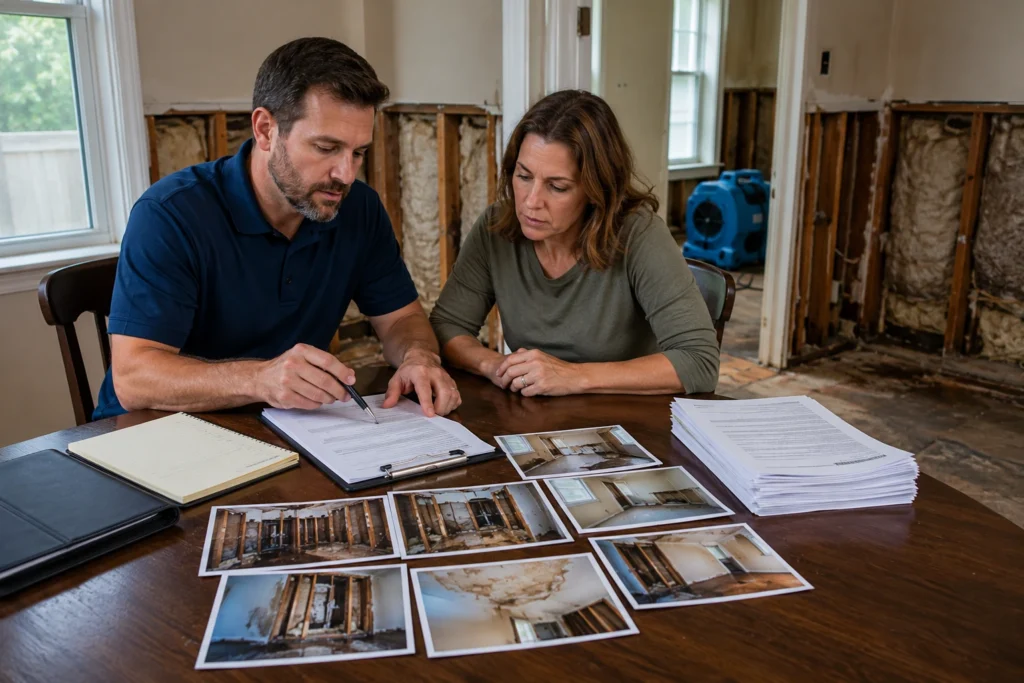
Insurance policies generally require homeowners to take reasonable steps to protect their property after a covered loss. Fortunately, several practical measures can help.
Dry the Property Quickly
Rapid drying remains one of the most effective ways to reduce secondary damage. Even after standing water disappears, hidden moisture may remain inside walls and flooring.
Protect Undamaged Belongings
Move unaffected property away from wet areas whenever possible.
Examples include:
- Electronics
- Furniture
- Clothing
- Documents
- Family photographs
- Valuable collections
Protecting unaffected items minimizes additional losses.
Preserve Evidence
Avoid discarding damaged materials until they have been thoroughly documented. Photographs, invoices, and damaged components may become valuable evidence if questions arise later.
Follow Policy Requirements
Maintain organized records of:
- Phone conversations
- Emails
- Inspection dates
- Submitted documents
- Repair invoices
Good recordkeeping helps keep the claim moving forward efficiently.
How Insurance Companies Calculate Water Damage Settlements
Many homeowners assume insurance settlements are based on a quick visual inspection. In reality, insurers typically evaluate each damaged component individually before calculating the value of a claim. The process usually begins with measuring affected areas and identifying every material requiring repair or replacement. Flooring, drywall, trim, cabinetry, insulation, paint, plumbing, and electrical work may all be priced separately before the estimate is finalized.
Several factors influence the final settlement amount, including:
- Policy limits
- Deductibles
- Local labor rates
- Material pricing
- Replacement cost versus actual cash value
- Age and condition of damaged materials
- Applicable building codes
Reviewing the insurance estimate line by line is extremely important. Missing repair items, underestimated labor costs, or overlooked damage can sometimes be identified before repairs begin, allowing homeowners to request clarification while the claim remains active.
Questions to Ask During the Insurance Inspection
The inspection provides an opportunity to better understand how the claim will be evaluated.
Helpful questions include:
- Which damaged areas are included in today’s inspection?
- Will hidden moisture be investigated?
- Are moisture readings being taken?
- How are damaged insulation and subfloors evaluated?
- What documentation should still be submitted?
- When will the written estimate be available?
- How should newly discovered damage be reported?
Keeping notes during the inspection creates a useful record of the discussion and helps homeowners follow up if additional questions arise later.
Preparing for Repairs After Claim Approval
Claim approval represents the beginning of the rebuilding process rather than the end.
Before construction begins:
- Compare contractor estimates with the insurance estimate.
- Review the approved scope of work carefully.
- Confirm permits will be obtained when required.
- Verify contractor licensing and insurance.
- Discuss expected project timelines.
Continue documenting repairs with photographs as construction progresses.
Maintain copies of:
- Contractor invoices
- Material warranties
- Plumbing reports
- Inspection approvals
- Final photographs
- Permit documentation
These records provide valuable references long after repairs have been completed.
Special Considerations for Older Homes
Older homes often contain plumbing materials that present unique challenges during restoration. Common examples include:
Galvanized Steel Pipes
Internal corrosion gradually weakens these pipes while reducing water flow.
Copper Plumbing
Although durable, copper can eventually develop pinhole leaks or joint failures due to age, corrosion, or pressure fluctuations.
Polybutylene Plumbing
Certain older homes still contain polybutylene piping, a material known for experiencing premature failures under some conditions. Replacement may be considered during major renovations.
Historic Building Materials
Matching older plaster walls, hardwood flooring, decorative trim, or discontinued finishes may increase repair complexity and should be reflected in restoration estimates.
Burst Pipe Claims in Commercial Properties
Commercial plumbing failures often affect far more than the building itself. Businesses may also experience operational disruptions and financial losses.
Examples include:
- Office buildings
- Retail stores
- Restaurants
- Medical offices
- Apartment complexes
Commercial claims sometimes involve inventory damage, equipment replacement, tenant improvements, and business interruption losses depending on policy terms. Tips for Maximizing a Burst Pipe Insurance Settlement
Following several best practices can strengthen nearly every claim.
- Report the damage immediately.
- Photograph everything before cleanup.
- Hire qualified mitigation professionals.
- Save every receipt.
- Keep damaged materials until documented.
- Request detailed contractor estimates.
- Maintain written communication whenever possible.
- Review settlement estimates carefully.
- Document newly discovered damage immediately.
- Stay organized from beginning to end.
Small details often make a significant difference during complex property claims.
Mistakes Homeowners Should Avoid
Avoiding common mistakes helps reduce delays and unnecessary disputes.
These include:
- Waiting too long to report the loss.
- Beginning major repairs before documentation.
- Throwing away damaged evidence too early.
- Accepting the first settlement without reviewing it carefully.
- Ignoring hidden moisture.
- Failing to maintain organized records.
Remaining patient and methodical often leads to a smoother claims experience.
Why Local Experience Matters
Every community presents different construction methods, weather conditions, and plumbing systems. Homes in Mansfield include both established neighborhoods with aging plumbing and newer developments built with modern materials. Local familiarity helps contractors and restoration professionals understand common issues affecting area properties.
Whether a pipe bursts during an unexpected winter freeze or because of long-term plumbing deterioration, homeowners in Mansfield benefit from acting quickly, documenting every stage of the damage, and maintaining organized communication throughout the insurance claim process.
Final Thoughts
Recovering from a burst pipe is about far more than replacing a section of plumbing. Water can damage structural framing, insulation, flooring, cabinetry, electrical systems, and valuable personal belongings within a surprisingly short period. The faster you respond, the better your chances of limiting additional damage and supporting a successful insurance claim.
If you’re dealing with Burst Pipe Insurance Claims Mansfield, TX, remember that preparation is one of your greatest advantages. Shut off the water immediately, begin mitigation as soon as possible, document every affected area, keep detailed records, and review every repair estimate carefully before reconstruction begins. Those simple but important steps create a stronger foundation for the entire claims process.
Every insurance policy is different, and every property loss presents unique challenges. By understanding how claims are evaluated, recognizing hidden water damage, maintaining thorough documentation, and seeking experienced guidance when necessary, homeowners can approach the recovery process with greater confidence. Taking a proactive, organized approach not only protects your investment but also helps ensure your home is restored safely, completely, and with as little disruption as possible.
FAQs
Shut off the main water supply immediately, then contact a licensed plumber and your insurance company before documenting all visible damage.
Most policies cover sudden and accidental burst pipes, but coverage depends on your policy terms and whether the damage resulted from neglect or a covered event.
The timeframe varies by insurance policy and state regulations, so it’s best to report the damage as soon as possible after discovering it.
Coverage depends on the policy and whether the mold resulted from a covered loss and timely mitigation. Delayed cleanup may limit coverage.
You should complete emergency mitigation to prevent further damage, but document everything thoroughly before making permanent repairs whenever possible.
Keep photographs, videos, repair estimates, plumbing reports, receipts, mitigation invoices, and records of all communications with your insurance company.
Water can seep behind walls, beneath flooring, and into insulation, causing structural damage or mold that isn’t immediately visible.
Yes. Independent contractor estimates can help you compare repair costs and ensure the insurance estimate reflects the full scope of the damage.
A public adjuster works on your behalf by documenting the damage, reviewing your policy, preparing the claim, and negotiating with the insurance company.
Act quickly, document every damaged area, save all receipts, obtain detailed repair estimates, and review the insurance settlement carefully before accepting it.